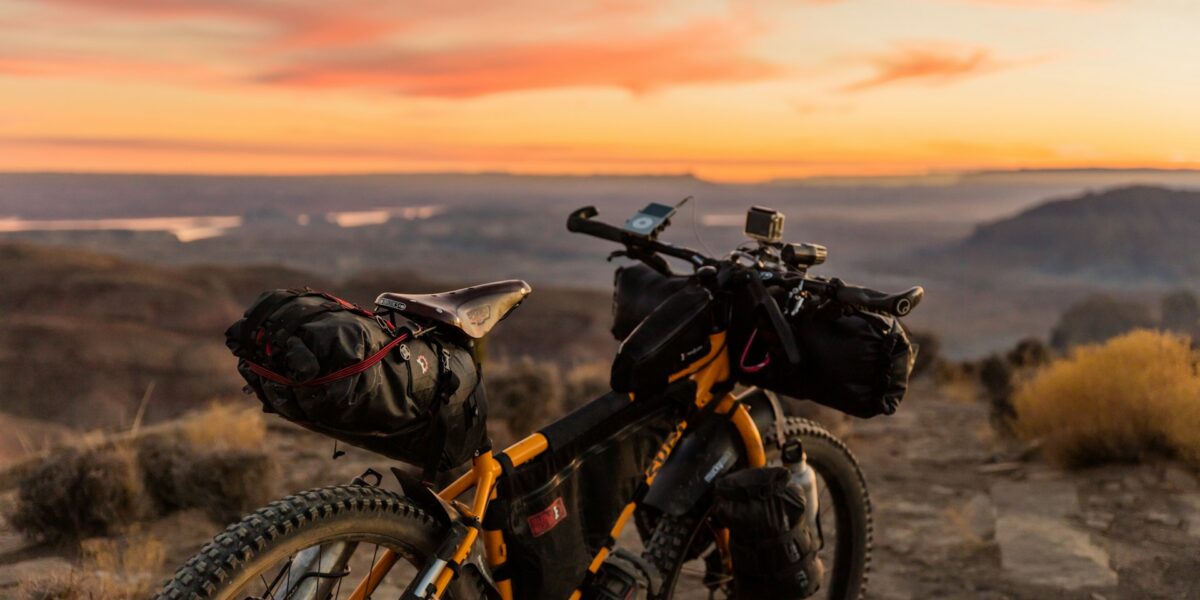
Bikepacking gear lists have gotten complicated with all the ultralight bloggers and sponsored athletes trying to sell you things. As someone who rode 5,000 miles across three continents (and mailed home half my gear by week two), I learned everything there is to know about what you actually need. Today, I will share it all with you.
This isn’t theory. These 15 items survived the ruthless pruning that happens when you’re hauling everything on your bike and every ounce matters. If it’s on this list, I used it constantly. If it’s not on this list, I either ditched it or wish I had.
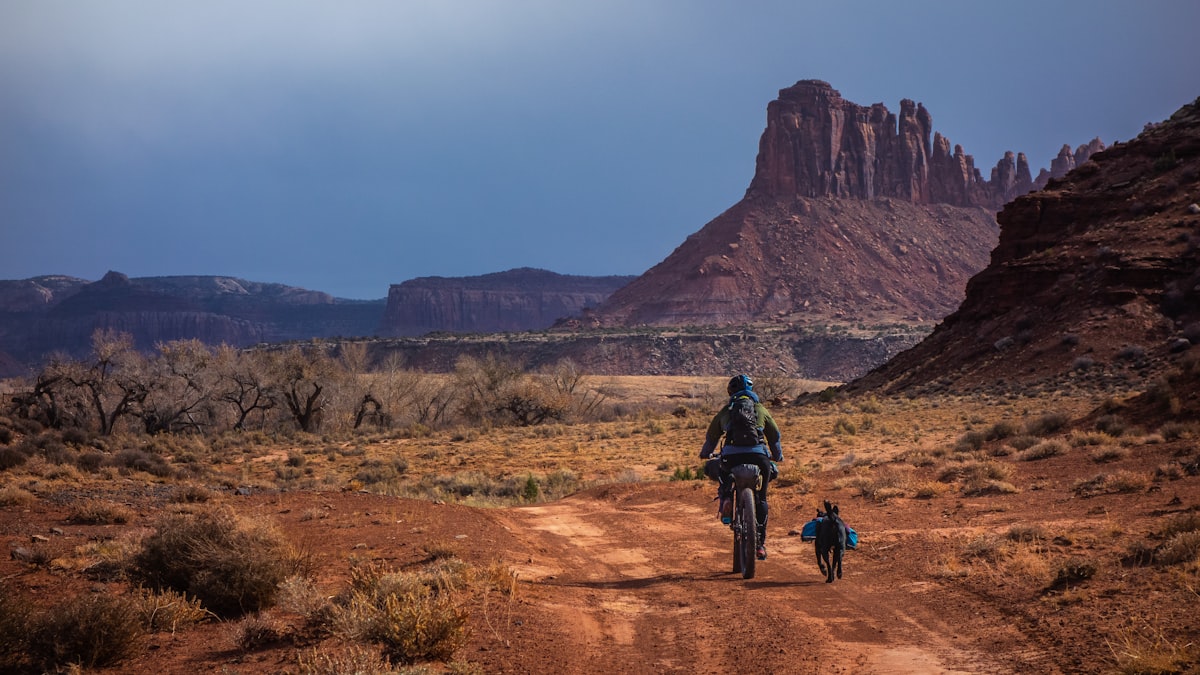
The Five Things That Actually End Tours
Skip the fancy gadgets. These five items solve the problems that force people to quit or call for rescue. Miss any of them and you’ll regret it within the first week.
1. Spare Tubes (2-3 Minimum)
I learned this lesson on day four in rural Idaho. Got two flats within an hour—cactus thorns everywhere. Used both spare tubes. Then got a third flat 20 miles from the nearest town with zero tubes left. That was a miserable walk/ride on a flat tire that destroyed my rim.
Now I carry three tubes always. One for me, one for the next flat before I reach a bike shop, and one for the unprepared cyclist I inevitably meet who thought tubeless was foolproof. (It’s not—sidewall cuts laugh at sealant.)
2. Multi-Tool That Actually Works
Cheap multi-tools bend when you’re torquing a stubborn bolt. Ask me how I know. (Spoiler: I broke a $15 multi-tool trying to tighten my rack bolts, which then rattled loose and eventually fell off completely.)
Get something decent—Crankbrothers M19 or Topeak Alien. Both include hex keys 2-8mm, screwdrivers, and chain tools. Before you leave, test every tool on every bolt on your bike. Make sure it actually fits and works. Discovering your multi-tool doesn’t fit your brake calipers when you’re 100 miles from anywhere is a bad time.
3. Actual Pump, Not Just CO2
CO2 cartridges run out. I used all four of mine by day three. Then I was back to borrowing pumps from other cyclists or begging at gas stations.
The Lezyne Pocket Drive fits in a jersey pocket and gets a tire to rideable pressure in about 150 strokes (yes, I counted). Practice pumping a completely flat tire at home so you know what you’re in for. It’s harder work than it looks, and panicking roadside while fumbling with a pump you’ve never used properly is avoidable stress.
4. Headlamp With Fresh Batteries
Not a bike light—a headlamp. You need hands-free light for setting up camp, fixing mechanical problems, reading maps, and finding that thing that just rolled under your bike in the dark.
I use a Petzl e+LITE. It’s tiny (27 grams), bright enough for close work, and has lived in my kit for three years. Bring spare batteries. When your headlamp dies at 2 AM while you’re trying to find a campsite because you miscalculated sunset, a bike light pointed vaguely forward doesn’t help you see what you’re doing with your hands.
5. Rain Jacket Even If You Swear It Won’t Rain
I toured through the desert Southwest in June. “Why would I need a rain jacket?” I thought. Then got caught in a freak thunderstorm at 8,000 feet with temperatures dropping to 40°F while I was soaking wet. Nearly got hypothermic before I found shelter.
A 6-ounce rain jacket like the Outdoor Research Helium packs down to fist size. You’ll probably be sweaty inside it anyway because breathable membranes stop working in cycling conditions. But being wet from sweat beats being wet from rain with wind chill. Trust me on this.
The Emergency Kit You Hope Never To Use
These four items sit unused most tours. But when you need them, nothing else will save you. They’re insurance that weighs almost nothing.
6. Emergency Bivvy Sack
SOL Emergency Bivvy. 3.8 ounces. Packs smaller than a soda can. I’ve used mine twice—once when a mechanical issue left me stranded overnight in Wyoming, once when I underestimated how cold desert nights get.
It’s not comfortable. It’s reflective mylar that traps heat and gets you through a night you weren’t planning to spend outside. Not a replacement for real shelter on planned trips, but essential for the unplanned “oh crap” moments.
7. Basic First Aid Kit
Bandages, medical tape, ibuprofen, antihistamine, any personal meds you need. Nothing fancy. I’ve used mine for road rash (twice), blisters (constantly), and a bee sting that would have been miserable without antihistamine.
Make sure you know how to use everything in it. A first aid kit you can’t operate under stress is worthless. Practice at home. Know where everything is by touch.
8. Water Filter
Sawyer Squeeze. Three ounces. Filters thousands of liters. Any stream, lake, or sketchy tap becomes drinkable water instantly.
I refilled from cattle troughs, irrigation ditches, and mountain streams. Never got sick because I filtered everything. Met several cyclists who skipped the filter to save weight. They regretted it when giardia ended their tours early.
Alternative options like Aquamira drops work but require waiting 30 minutes. When you’re thirsty and hot, instant filtration is worth the extra ounce.
9. Lighter
Probably should have led with this section, honestly. A mini Bic lighter weighs nothing and makes fire. Fire means warmth, signaling, cooking, and general emergency problem-solving.
Some people carry fancy ferrocerium rods. Those work too. I carry a $1 lighter because I know it works when I’m cold and my hands don’t work properly. Simple beats clever in emergencies.
The “Luxury” Items That Aren’t Actually Luxury
These three seem optional until you tour without them. Then they become non-negotiable forever after.
10. Foam Sit Pad
That’s what makes the Gossamer Gear 1/8″ foam pad endearing to us bikepackers—it weighs one ounce, costs $5, and improves life dramatically.
It’s a camp chair when you’re eating. Extra insulation under your sleeping pad. A kneeling pad when you’re fixing your bike. A buffer between your back and a loaded pack. I use mine 10+ times per day. Best $5 I ever spent.
11. Chamois Cream
Trail Toes or Chamois Butt’r. Apply before every ride without exception. Saddle sores end more tours than mechanical failure, and prevention takes five seconds per morning.
I skipped this initially because it seemed fussy. Got saddle sores by day three. Could barely sit on the saddle for the next week. Learned my lesson. Now I pack enough for the whole trip plus 50% extra. Running out early is not an option.
12. Good Sunglasses
Protection from sun, wind, dust, and bugs. I’ve taken bugs to the eyeball at 30 mph. It’s as bad as it sounds. Sunglasses would have prevented that.
Don’t cheap out. Budget sunglasses scratch easily and break when you sit on them (which you will). Get something that doesn’t fog, fits under your helmet, and blocks wind without limiting peripheral vision. If you can afford interchangeable lenses for different light conditions, do it.
The Controversial Three
These last three divide the touring community. Some won’t leave without them. Others refuse to carry the weight. Decide based on your own priorities, not what ultralight purists say online.
13. Kindle or Book
Rest days happen. Weather traps you in motels. Your body needs recovery. Mental health matters on tours lasting weeks or months. Something to read prevents boredom-driven bad decisions like riding through a thunderstorm because you’re tired of waiting.
A Kindle weighs 6 ounces and holds unlimited books. A paperback weighs about the same and works without batteries. Either option is worth it. I’ve never regretted carrying reading material. I’ve absolutely regretted the times I didn’t.
14. Small Bluetooth Speaker
Some people prioritize silence in nature. I respect that. For me, 2 ounces of speaker equals morale that’s impossible to quantify. Music makes camp setup more fun. Podcasts make rest days less boring. Entertainment matters on long tours.
Use it responsibly—keep volume low when you’re near others. But don’t let ultralight snobs shame you out of something that improves your experience. Your tour, your rules.
15. Flip-Flops
Camp shoes that weigh 4 ounces and cost $3 at any gas station. Your feet deserve freedom after 8 hours in cycling shoes. You can wade through streams without soaking your riding footwear. They dry instantly.
Nothing fancy needed. The cheapest pair works fine. This is not the place to optimize weight or spend money. Just throw some flip-flops in your bag and move on.
Everything NOT On This List
Notice what’s missing? Seven pairs of socks. Backup electronics “just in case.” Gear for hypothetical situations that never happen. Books about minimalism that weigh more than a Kindle.
I started my first tour with 45 pounds of gear. Mailed 15 pounds home by week two because I never touched it. Every thru-cyclist I’ve met has the same story. We all overpack initially. We all learn.
The pattern becomes clear after thousands of miles: carry less, use it more, never miss what you left behind. These 15 items are what survived that brutal pruning process. Everything else was unnecessary weight pretending to be preparation.
Pack for the route rather than a generic list. Compare our North American bikepacking routes to identify the terrain, water, weather, repair, permit, and resupply demands your equipment must support.
Stay in the loop
Get the latest adventure cycling world updates delivered to your inbox.