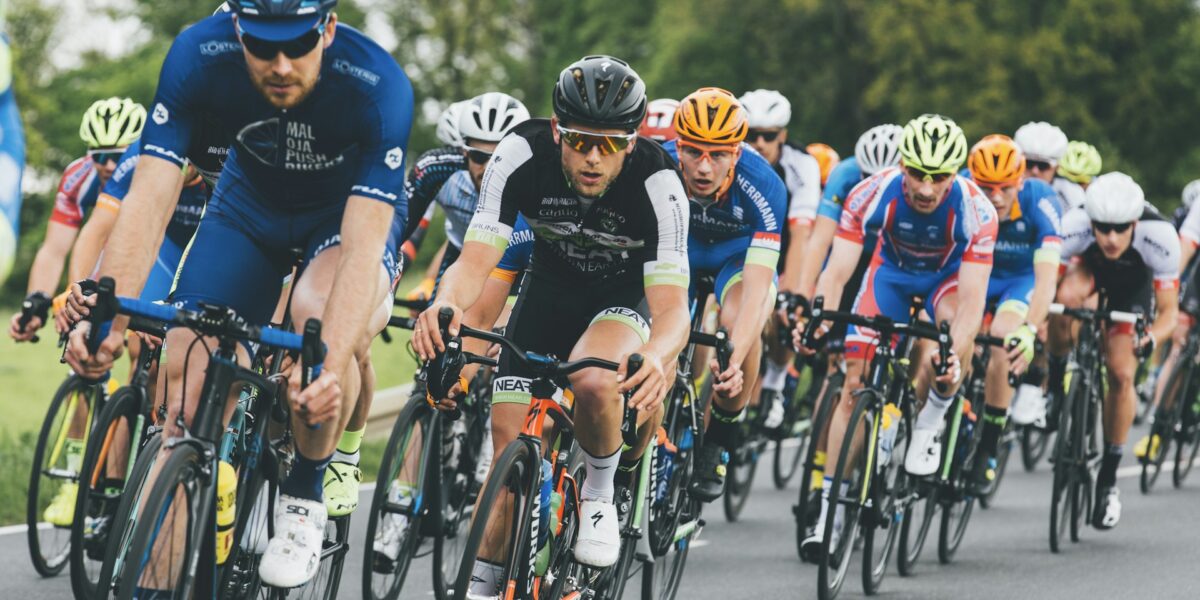
Power meter training has gotten complicated with all the acronyms and zone systems flying around. As someone who obsessed over watts per kilogram for three years before finally understanding what the numbers actually mean, I learned everything there is to know about training with power. Today, I’ll break down W/kg in plain English so you can actually use this metric to get faster.
Probably should have led with this: when I started tracking power, I had no idea what my numbers meant. I just knew they seemed low compared to what I read online. Understanding the context changed how I approached training entirely.
What Is Watts Per Kilogram (W/kg)?
Watts per kilogram is the gold standard metric for comparing cycling performance across different riders. It’s calculated by dividing your power output (in watts) by your body weight (in kilograms). A 70kg rider producing 250 watts has a W/kg of 3.57, while an 80kg rider producing the same 250 watts has a W/kg of only 3.13.
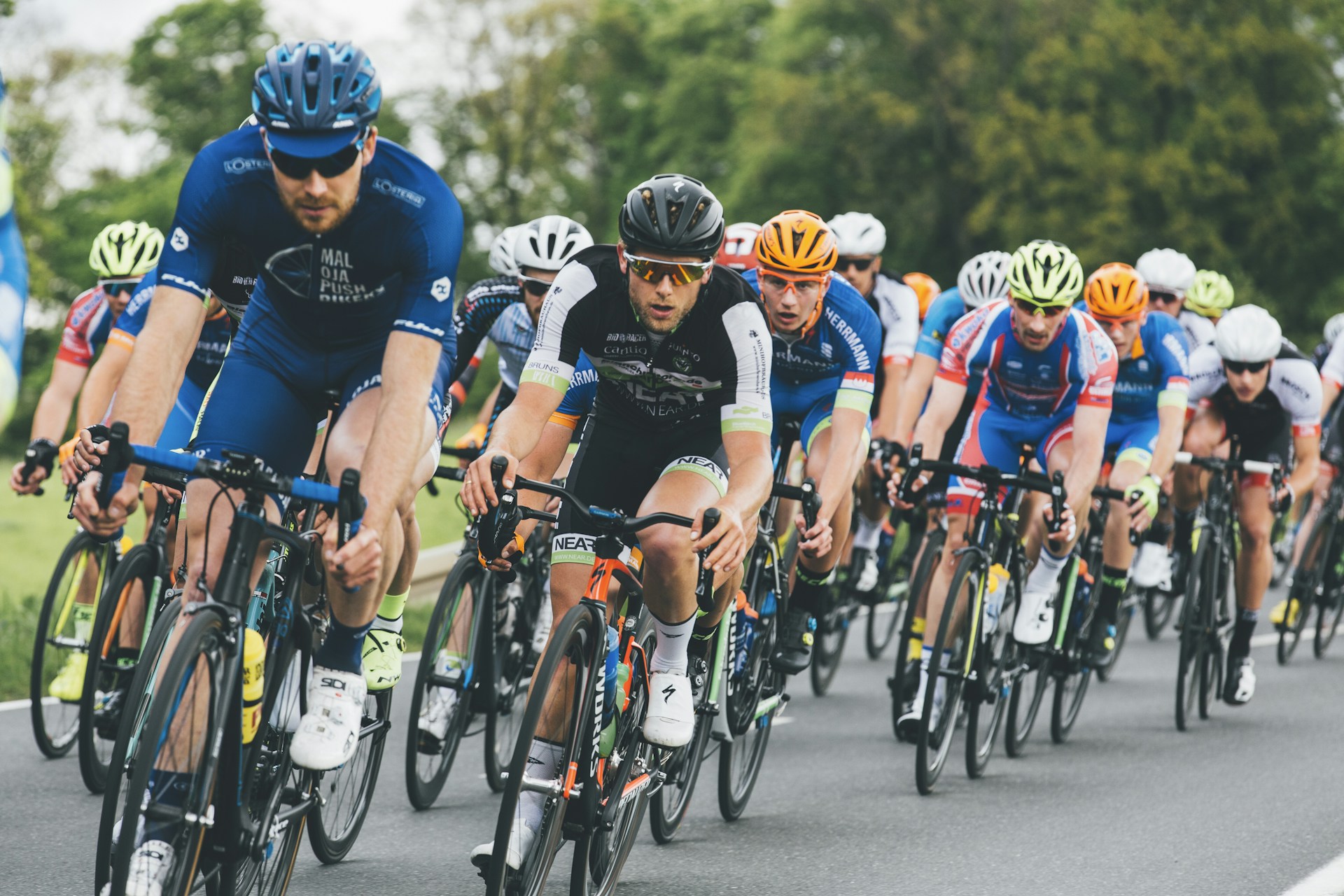
That’s what makes W/kg endearing to us performance-obsessed cyclists—it levels the playing field. Cycling, especially climbing, is fundamentally a battle against gravity. A lighter rider with lower absolute power can often outclimb a heavier rider with higher absolute power if their W/kg is superior. Professional Tour de France climbers typically sustain 6.0-6.5 W/kg for extended efforts. I am not a Tour de France climber.
How Power Meters Work
Power meters measure the force you apply to the pedals and multiply it by your cadence to calculate watts. They can be located in the crank arms, pedals, rear hub, or bottom bracket. Each position has advantages: pedal-based meters are easy to swap between bikes, while crank-based meters often provide more consistent readings. I use pedal-based power meters because I switch between bikes frequently.
Unlike heart rate, power measurement is instantaneous and objective. When you push 200 watts, you’re pushing 200 watts regardless of how you slept, whether you’ve had coffee, or how stressed you feel. This consistency makes power data incredibly valuable for structured training.
Understanding FTP and Training Zones
Functional Threshold Power (FTP) represents the highest average power you can sustain for approximately one hour. This number becomes your reference point for all training zones. Most training systems divide your power range into five to seven zones:
- Zone 1 (Recovery): Less than 55% of FTP. Easy spinning for active recovery.
- Zone 2 (Endurance): 56-75% of FTP. Base building and long rides.
- Zone 3 (Tempo): 76-90% of FTP. Moderately hard sustained efforts.
- Zone 4 (Threshold): 91-105% of FTP. Race pace and sustainable hard efforts.
- Zone 5 (VO2max): 106-120% of FTP. High-intensity intervals.
- Zone 6-7 (Anaerobic/Neuromuscular): Above 120% of FTP. Sprints and short explosive efforts.
What Different W/kg Levels Actually Mean
Understanding where you stand helps set realistic goals. Here’s what I wish someone had told me when I started:
- 2.0-2.5 W/kg: Recreational cyclist, new to structured training
- 2.5-3.0 W/kg: Regular cyclist with some training background
- 3.0-3.5 W/kg: Fit amateur, competitive in local events
- 3.5-4.0 W/kg: Strong amateur, top finishes in regional races
- 4.0-4.5 W/kg: Very strong amateur, competitive at state/national level
- 4.5-5.0 W/kg: Elite amateur, category 1-2 racer
- 5.0-6.0 W/kg: Professional level
- 6.0+ W/kg: World Tour professional climber
I started around 2.8 W/kg and worked up to 3.6 over two years. That improvement transformed my climbing and racing results.
How to Test Your FTP
The classic FTP test involves a 20-minute all-out effort after a proper warmup. Your average power for those 20 minutes, multiplied by 0.95, gives you an estimated FTP. The 5% reduction accounts for the difference between 20-minute and 60-minute sustainable power.
Before testing, perform a thorough 20-minute warmup including some short high-intensity efforts. Then pace yourself for the 20-minute test—starting too hard will cause you to fade and underestimate your true FTP. I’ve made this mistake multiple times. Many cyclists find it helpful to test on an indoor trainer where conditions are controlled and consistent.
Using Power Data for Training
With your FTP established, structure your workouts around specific zones. A typical training week might include:
- Two or three Zone 2 endurance rides building aerobic base
- One threshold session with intervals at 95-105% of FTP
- One high-intensity session with shorter efforts above threshold
- One or two rest days or very easy Zone 1 recovery rides
Track your Training Stress Score (TSS) to ensure progressive overload without overtraining. Most software calculates this automatically based on the intensity and duration of your rides.
Mistakes I Made So You Don’t Have To
The most frequent error is testing FTP too often. I used to test every two weeks and got frustrated when numbers didn’t change. Retesting every four to six weeks is sufficient for most riders. More frequent testing disrupts training and rarely shows meaningful changes.
Another mistake is ignoring nutrition and recovery. Power data shows exactly how hard you worked, but it doesn’t account for whether you’re fueling and resting adequately to absorb that training stress. I trained myself into a hole multiple times before learning this lesson.
Finally, many riders become so focused on numbers that they lose the joy of riding. I did this too. Remember that power meters are tools to enhance your training, not replacements for learning to ride by feel. The best cyclists combine objective data with intuitive body awareness.
Start with understanding your current FTP and W/kg, then use that baseline to structure purposeful training. Within a few months of consistent, targeted work, you’ll likely see meaningful improvements in both your numbers and your riding experience.


Stay in the loop
Get the latest adventure cycling world updates delivered to your inbox.