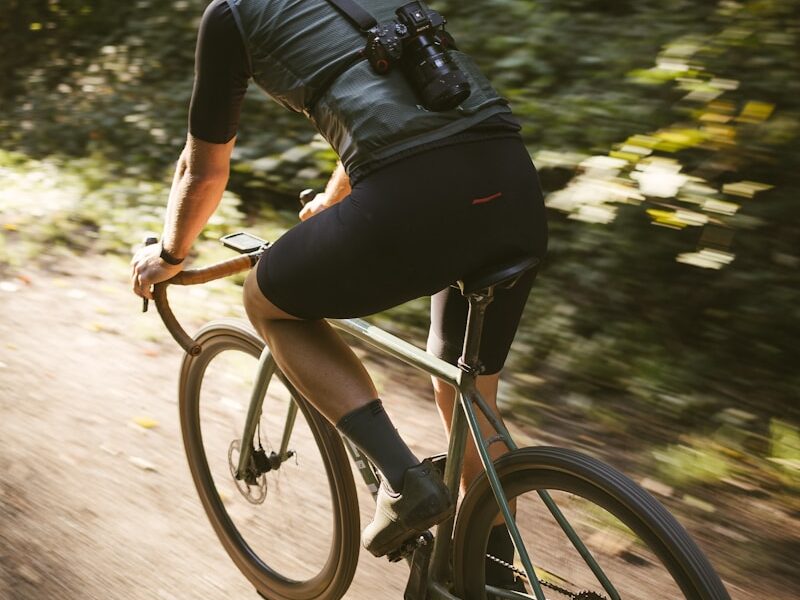
Bigger than 29ers. Smaller than ridiculous. The gravel world is about to have a wheel size war.
For years, the cycling industry has been creeping wheel sizes upward. 26-inch gave way to 27.5. Then 29ers took over mountain biking. Gravel settled on 700c as the default.
Now ultra-distance racers are pushing for something bigger: 32-inch wheels.
And if history is any guide, what wins races eventually shows up in your local bike shop.
Why 32-Inch Wheels Make Sense for Bikepacking
The physics are simple. Larger wheels roll over obstacles more easily. They maintain momentum better. On rough gravel roads stretching hundreds of miles, that matters.
Ultra-distance racers figured this out first. When you’re riding 200+ miles a day across mixed terrain, every efficiency gain compounds. Larger wheels mean fewer jarring impacts. Less energy wasted fighting the road surface.
For bikepackers doing multi-week tours on rough roads, the same logic applies. You’re not sprinting. You’re surviving.
The Case Against
But bigger wheels come with trade-offs. And they’re significant.
Weight: Larger wheels mean more rotating mass. Acceleration suffers. Climbing gets harder. On a loaded bikepacking rig, you’re already fighting weight. Adding more at the wheels—where it matters most—hurts.
Tire selection: This is the killer. The 32-inch tire market barely exists. You’ll find maybe a handful of options, mostly from niche manufacturers. Puncture on a remote gravel road? Good luck finding a replacement in rural Patagonia.
Frame compatibility: Your current bike won’t fit 32-inch wheels. Period. This isn’t a component upgrade. It’s a new bike purchase.
The Industry Doesn’t Want This
Here’s the uncomfortable truth: bike shops hate wheel size changes.
Every new standard fragments the market. Existing inventory becomes harder to sell. Customers get confused. Mechanics need new tools and training.
The 26-to-29er transition took over a decade of fighting. Bike shops resisted until they couldn’t anymore.
32-inch wheels will face the same resistance. Expect manufacturers to push back. Expect “it’s just a fad” dismissals. Expect slow adoption even if the technology proves superior.
Who Should Actually Care
Not everyone needs this.
If you’re doing weekend gravel rides on maintained roads, 700c is fine. Probably forever. The gains from larger wheels don’t materialize on smooth surfaces at moderate distances.
But if you’re planning expedition-level bikepacking—think Silk Road, Baja Divide, Trans-America—pay attention. The riders setting records on these routes are testing larger wheels. What works for them eventually trickles down.
My Prediction
32-inch wheels will either be mainstream within 3 years or completely dead within 2.
There’s no middle ground. Either tire manufacturers commit to the format and economies of scale kick in, or the lack of tire options kills adoption before it starts.
The limiting factor isn’t the wheels. It’s the rubber.
What to Do Now
Don’t buy a 32-inch wheel gravel bike today. The tire selection isn’t there yet. Early adopter tax is real.
But watch the ultra-distance racing scene. When you start seeing 32-inch wheels winning major events consistently—not just appearing, but winning—that’s your signal.
The technology will follow the victories. It always does.
Just don’t be surprised when your local bike shop tells you it’s unnecessary. They said the same thing about 29ers.




Stay in the loop
Get the latest adventure cycling world updates delivered to your inbox.