Jetboil vs MSR vs BRS: Which Camp Stove Actually Fits in a Frame Bag?
Camp stoves for bikepacking have gotten complicated with all the ultralight options and marketing claims flying around. As someone who has burned through (literally, in one case) about a dozen different stove setups over years of multi-day rides, I learned everything there is to know about what actually works when it’s strapped to a bicycle. Today, I will share it all with you.
I’ll be honest — I spent my first few bikepacking trips eating cold food because I couldn’t justify the weight of a stove. Then I borrowed a buddy’s PocketRocket on a late October ride through the Blue Ridge, and that first cup of hot coffee at 6am in 35-degree temps changed everything. Now I won’t leave without one.
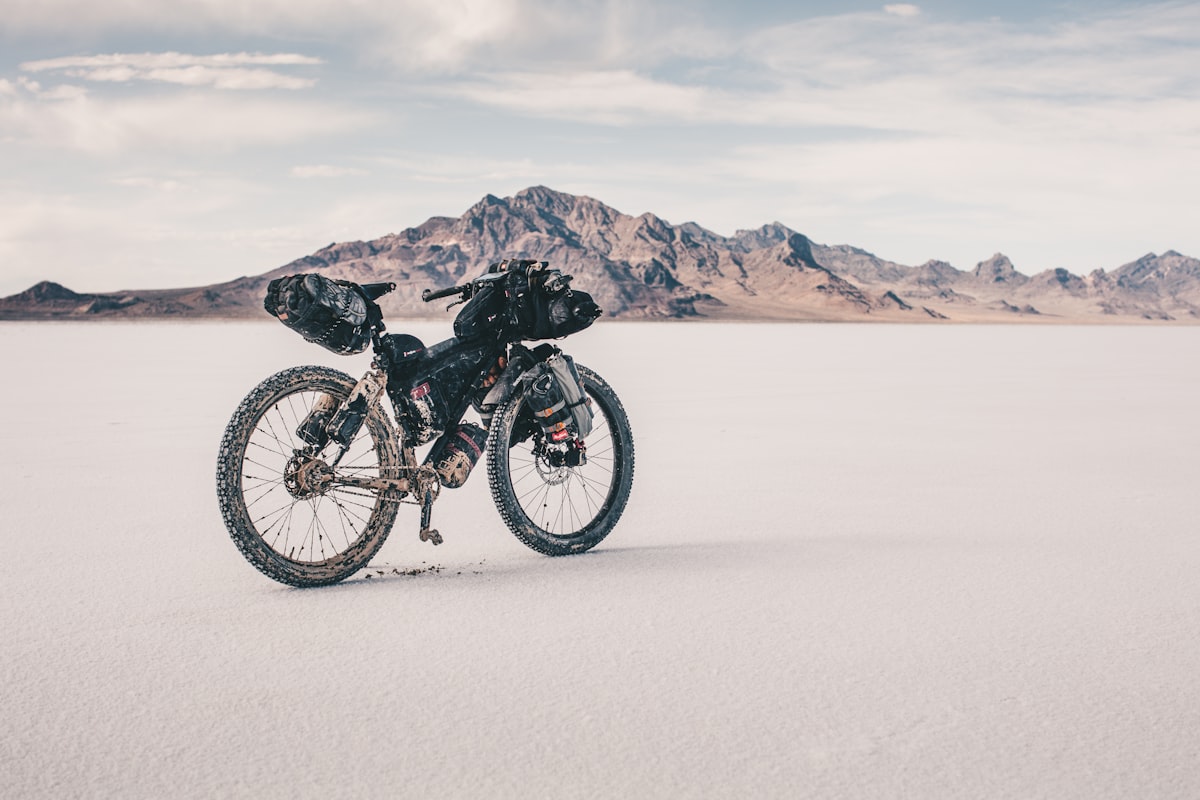
What Makes Bikepacking Stoves Different From Backpacking Stoves
Probably should have led with this section, honestly. What works great for backpackers doesn’t always translate to life on a bike, and here’s why:
Pack shape matters a lot: Backpacking stoves live at the bottom of big packs where shape flexibility is forgiving. Bikepacking stoves have to squeeze into frame bags, handlebar rolls, or saddle packs that have very specific, non-negotiable dimensions. A stove that’s two inches too tall? It’s not going in your frame bag. Period.
Vibration is a killer: Miles and miles of rough roads stress every connection point on your gear. Piezo igniters fail. Fuel lines shake loose. Pot supports bend out of shape. I’ve seen it happen on my own setups and on friends’ gear too. The simpler the stove design, the better it survives bike travel.
You’re mostly just boiling water: Let’s be real — the vast majority of bikepacking meals are dehydrated. You rip open a bag, pour in hot water, wait, and eat. You need a stove that boils water fast and reliably, not one that can simmer a delicate sauce. Systems built around boiling speed will outperform versatile cooking setups that try to do everything.
Fuel availability gets tricky: Isobutane canisters are the standard for backpacking stoves and you can grab them at any outdoor shop. But good luck finding them at a gas station in the middle of rural Wyoming at 9pm. Alcohol and white gas offer alternatives with their own sets of tradeoffs, which I’ll get into below.
Jetboil Systems: The Integrated Efficiency Kings
Jetboil basically invented the integrated stove-pot system, and their stuff remains the benchmark for fast boiling. I’ve owned two of these over the years.
Jetboil Flash: This is the one everyone knows. It boils 16 oz of water in roughly 100 seconds, which is genuinely impressive. The 1-liter pot stores the stove, stabilizer, and a 100g fuel canister inside it — everything nests together. Total packed weight comes in around 13.1 oz with the pot but without fuel.
My bikepacking take: It’s too tall for most frame bags at 6.5 inches with the canister stored inside. It works well if you’re running it in a handlebar roll or a big saddle pack. Fair warning — that FluxRing heat exchanger rattles like crazy unless you pack something soft around it. I wrapped mine in a bandana and that solved it.
Jetboil MiniMo: Shorter and wider than the Flash at 5 inches tall, with legitimately better simmer control and a lower center of gravity. It boils a bit slower — about 4 minutes 30 seconds for 16 oz. The wider cup shape also makes it way easier to eat out of directly.
My bikepacking take: Much better frame bag fit because of that shorter profile. The pressure regulator technology works noticeably better in cold temps. Still pretty bulky for minimalist setups, but if you’re the kind of rider who wants actual hot meals rather than just quick coffee, this is the Jetboil to get.
Jetboil Stash: This is Jetboil’s ultralight play — 7.1 oz for the stove and pot combined. Titanium construction keeps the weight down. Boils 16 oz in about 2 minutes 30 seconds, which is slower than the Flash but still plenty fast for the weight savings.
My bikepacking take: The best Jetboil option for weight-obsessed bikepackers, hands down. The 0.8L pot handles solo meals just fine. You do give up some stability and wind resistance compared to its heavier siblings, but that’s the tradeoff.
MSR Stoves: Versatility and Bulletproof Reliability
MSR takes a completely different approach — separate stoves and pots instead of integrated systems. I’ve been using MSR stoves longer than any other brand.
MSR PocketRocket 2: At 2.6 oz, this tiny thing is the ultralight canister stove benchmark. Boils a liter of water in about 3.5 minutes and folds down to roughly 2 x 2 x 3 inches — genuinely pocket-sized, no exaggeration.
My bikepacking take: The pack size and weight are exceptional. Yes, you need a separate pot and windscreen, but your total system weight can actually come in lighter than integrated options. The pot supports look and feel fragile, but I’ve put hundreds of boils through mine and they haven’t failed yet.
MSR PocketRocket Deluxe: Adds a pressure regulator for better cold-weather performance and a piezo igniter for convenience. Weight bumps up to 2.9 oz. Same excellent pack dimensions.
My bikepacking take: Worth the 0.3 oz penalty if you’re riding in cold conditions regularly. One caveat though — the piezo igniter will eventually fail from all the vibration of being on a bike. Always carry a backup lighter. I keep a mini Bic in a sandwich bag in my frame bag and never worry about it.
MSR WindBurner: This is MSR’s integrated system, their direct competitor to Jetboil. Uses a radiant burner design that handles wind significantly better than most stoves. The 1.0L system weighs 15.5 oz.
My bikepacking take: Best wind performance of any integrated system I’ve used. The tall profile at 7 inches limits frame bag options though. And honestly, it’s heavy for what it offers bikepackers who aren’t cooking in howling wind conditions every single night.
BRS Stoves: The Ultralight Budget Darlings
The BRS-3000T became internet famous as the world’s lightest canister stove at a ridiculous 0.9 oz. Here’s the deal with these.
BRS-3000T: Absurdly light and absurdly cheap at around $20. Folds down to roughly matchbox size. Boils water just fine in calm conditions. That’s what makes the BRS-3000T endearing to us weight-obsessed bikepackers — it does the one thing you need it to do at a fraction of the weight and cost.
My bikepacking take: Hard to argue with the weight and size. But I have to be straight with you — quality control is inconsistent. Some units show up with burrs on the metal or misaligned parts right out of the box. The pot supports are genuinely flimsy and can bend under heavy pots. I’d call it a solid backup stove or the right choice for riders who prioritize grams saved above everything else.
BRS-3000T Pro: A slightly beefed-up version that addresses some of the durability concerns with the original. Still impressively light at 1.5 oz.
My bikepacking take: Worth the minimal weight penalty for the improved build quality. It’s still budget-quality at the end of the day, but it’s functional and gets the job done for the price.
Alternative Fuel Systems Worth Considering
Alcohol stoves: Whether homemade from cat food cans or commercial units from Trangia or Vargo, alcohol stoves use denatured alcohol or HEET fuel — both of which you can find at hardware stores and gas stations, not just outdoor retailers. They boil water slower but you never have to worry about canister disposal or finding specialty fuel. Wind sensitivity is the big downside, so you’ll need a solid windscreen setup.
My bikepacking take: Excellent choice for long routes where canister availability is a question mark. I ran an alcohol stove for a 10-day ride through rural Nevada and never had trouble finding HEET at gas stations along the way. Just pack carefully — alcohol spills are a real pain.
Esbit and solid fuel tablets: These tablet-fuel stoves weigh practically nothing — some under 0.5 oz for just the stove. Fuel tablets are light, packable, and widely available internationally. The tradeoffs? Slow boiling and sooty pot bottoms that’ll stain everything in your bags.
My bikepacking take: The ultimate minimalist option for riders who only need morning coffee or are patient enough for slow meal prep. Keep the tablets bone dry or they won’t light. I keep mine in a small Ziploc inside another Ziploc because I’m paranoid like that.
My Recommended Setups by Priority
Fastest boiling (integrated): Jetboil Flash or MiniMo. Accept the bulk in exchange for sub-2-minute boil times and flame protection. Best for cold weather, windy conditions, or riders who really value getting a hot drink in their hands as fast as possible at camp.
Lightest complete system: BRS-3000T paired with a TOAKS 550ml titanium pot and a small windscreen. Under 4 oz for your total stove kit. Just be gentle with the stove — it’s not built for abuse.
Best all-around balance: MSR PocketRocket 2 with a 0.7L titanium pot. Roughly 6 oz total. Reliable, reasonably fast, packs well in bags, and parts are widely available if something breaks on the road. This is what I run most of the time.
Budget setup: BRS-3000T Pro with a GSI Halulite 0.6L pot. Under $50 total, under 5 oz. Perfectly adequate performance at rock-bottom cost. Great for folks just getting into bikepacking who aren’t ready to drop serious money on cooking gear.
Long-distance reliability: Trangia alcohol system or MSR WhisperLite on white gas. Heavier, yes, but fuel-flexible and bombproof. Nothing electronic to break, parts available worldwide. For a multi-month ride, this peace of mind is worth the extra ounces.
Look, the best bikepacking stove is the one that fits your bag setup, matches your route’s fuel availability, and survives the daily beating of life on a bicycle. Most riders I know — myself included — eventually settle on simple, reliable systems rather than feature-packed designs that add weight and complexity you don’t actually need. Start simple, see what works for your style, and upgrade from there.