Bikepacking first aid kits have gotten complicated with all the conflicting advice and product recommendations flying around. As someone who has spent years riding remote routes and once watched a friend walk herself out of Patagonia on a broken arm, I learned everything there is to know about what actually belongs in a backcountry medical kit. Today, I will share it all with you.
But first, let me tell you about Maria. This is her story, and it changed how I think about every single ounce I carry on my bike.
At hour 36 of what should have been a two-day ride, Maria’s bike slipped on wet rock and threw her into a ravine. The fall wasn’t far — maybe fifteen feet — but she landed on her arm, and the crack was audible. The kind of sound that makes your stomach drop even when it’s not your bone.
She was alone on Chile’s Carretera Austral, 80 kilometers from the nearest village, in intermittent rain, with a broken arm and a loaded bicycle she couldn’t ride. Her satellite messenger battery was dead because she’d forgotten to charge it the night before. Her phone had zero signal. She was, by any reasonable definition, on her own.
What happened next, and why she walked out under her own power three days later, came down to a $40 first aid kit she’d almost left behind to save weight. I think about that detail constantly.
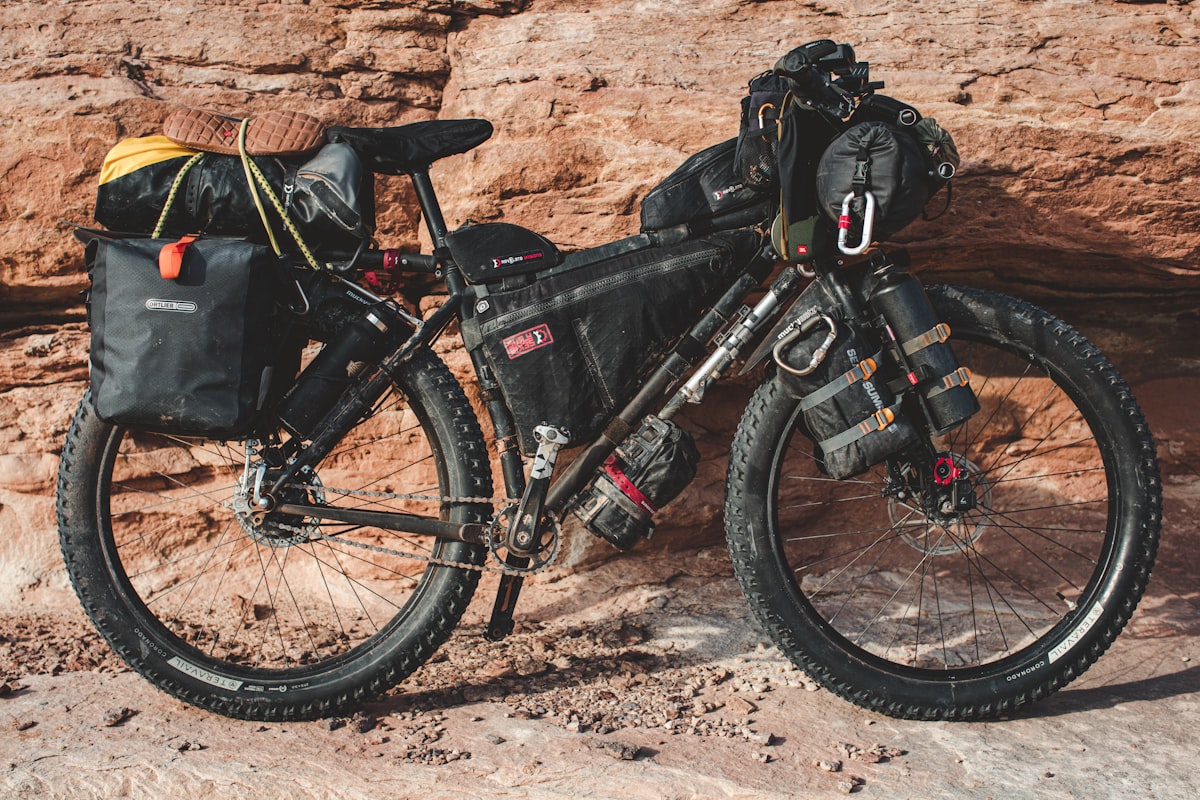
The Kit That Saved Her
Maria’s first aid kit wasn’t anything fancy or expensive — just carefully assembled over years of long-distance riding. She’d added items after close calls and removed things that never got used. Here’s what she had and what mattered when it counted:
1. SAM Splint (4oz)
This malleable aluminum-foam strip can be shaped into rigid splints for basically any body part. Maria folded it around her forearm and secured it with the included wrap, immobilizing the fracture enough that she could actually use her hand for basic tasks like opening zippers and holding food. Without this one item, every single movement would have meant bone grinding against bone. I carry one now on every trip because of her story.
2. Elastic Bandage Wrap (2oz)
After she got the SAM splint positioned, the elastic wrap held everything tight and provided compression for the swelling that was already ballooning up. She reused that same wrap for three straight days, tightening and loosening it as the swelling changed. Two ounces that earned their keep a hundred times over.
3. Ibuprofen (600mg tablets, 12 count)
The fracture pain was intense — Maria described it as white-hot for the first few hours. The ibuprofen didn’t eliminate it, but it brought the pain down enough that walking was bearable. She rationed carefully: 600mg every 8 hours, which gave her enough for her entire 72-hour self-evacuation. The anti-inflammatory properties also helped keep the swelling manageable.
4. Acetaminophen (500mg tablets, 12 count)
By alternating acetaminophen with the ibuprofen, she could manage pain without exceeding safe doses of either medication. She’d take acetaminophen at the 4-hour mark between ibuprofen doses, creating a rolling pain management schedule. Smart thinking under awful circumstances.
5. Triangular Bandage
This became her sling, plain and simple. With one arm splinted and immobilized, she needed to keep it supported and stable against her chest. The triangular bandage, tied behind her neck, held her arm in place during the long, grinding walk out. It’s one of those items that weighs almost nothing and does exactly one critical job.
6. Superglue (Medical-Grade)
On top of the arm, she’d also scraped her shin badly in the fall — a six-inch laceration that wouldn’t stop bleeding. After cleaning it with filtered water from her bottle, she used medical-grade superglue to close the wound. It held for the entire three-day evacuation, preventing infection and further blood loss. I was skeptical about carrying superglue until I heard this. Now it’s a permanent fixture in my kit.
7. Antiseptic Wipes (10 count)
Before closing the leg wound and before touching the area around her arm fracture, she cleaned her hands and the wound sites thoroughly. Infection in the Patagonian backcountry, days from any medical facility, would have turned a survivable situation into a potentially life-threatening one.
8. Nitrile Gloves (2 pair)
She wore these while treating herself, keeping dirt and trail grime out of open wounds. Wilderness first aid always happens in dirty conditions — gravel, mud, sweat, chain grease. Gloves are the first and simplest barrier against making things worse.
9. Emergency Blanket
That first night, shock combined with cold rain to drop her body temperature dangerously. The mylar emergency blanket, wrapped around the outside of her sleeping bag, added just enough insulation to keep her functional. She slept fitfully at best, but she stayed warm enough to get up and keep moving the next morning. That matters more than comfort when survival is the priority.
10. Duct Tape (15ft wrapped around water bottle)
She used duct tape for everything over those three days: reinforcing the splint when it started to loosen, securing bandages that kept slipping, patching her torn rain jacket, and eventually taping the sole of her shoe back on when it started separating from the impacts of walking. Probably should have led with this section, honestly. Duct tape might be the single most versatile item you can carry.
11. Tweezers and Safety Pins
The tweezers pulled gravel out of her shin wound before she closed it. The safety pins secured her sling when the bandage knot kept slipping loose under movement. Small tools that solve small problems — problems that absolutely become big problems when you can’t fix them.
12. Emergency Instructions Card
Written in both English and Spanish on a waterproof card, this listed first aid procedures step by step. Under the fog of shock and pain, Maria couldn’t remember proper splinting technique even though she’d taken a wilderness first aid course two years earlier. The card walked her through it. Having critical information written down means you don’t have to rely on your brain when your brain is barely functioning.
The Evacuation
After treating herself and spending the first night at the crash site, Maria faced a hard choice: wait for rescue on a road that might not see another vehicle for days, or self-evacuate on foot.
She couldn’t ride. One arm was useless and her bike’s derailleur had bent in the crash. But she could walk. She rigged the bike as a walking aid — leaning on the saddle with her good arm, pushing it beside her like a wheeled crutch. It was slow and awkward, but it was forward progress.
She covered about twenty-five kilometers per day, sleeping in her tent, stretching two days of food across three by rationing carefully. On day three, a truck finally appeared on the road. The driver took her and her bike to Coyhaique, where an X-ray confirmed a clean radius fracture. The doctor told her the arm had been well-immobilized and was already starting to heal in correct alignment. That SAM splint earned its weight in gold.
What the Kit Weighed
Total weight: 14 ounces. Fourteen. She’d debated dropping items to save those ounces. She’d actually held the SAM splint in her hand while packing and thought, “When am I ever going to need this?”
Every single item justified its weight in those three days. The kit cost under $50 and took about an hour to put together. It bought her survival when absolutely nothing else could have.
Building Your Own Kit
Maria’s kit works because it targets the most likely serious problems you’ll face in remote riding, not every possible scenario:
Trauma: Fractures, dislocations, deep lacerations. The SAM splint, elastic wrap, and bandages handle immobilization. Superglue and antiseptics handle wound closure. These are the injuries most likely to happen on a bike in the backcountry.
Pain management: Serious injuries hurt badly enough to prevent you from functioning. Without adequate medication, you can’t think clearly, you can’t walk, you can’t make good decisions. Having enough pain meds to stay functional for 3-4 days is non-negotiable.
Environmental threats: Shock, cold, and wet conditions compound injuries rapidly. The emergency blanket and ability to make improvised repairs address the cascade effect where one problem leads to three more.
Infection prevention: When you’re days from professional medical care in the backcountry, keeping wounds clean isn’t just good practice — it’s the difference between a manageable injury and a dangerous one.
What She’d Add Now
After her experience, Maria upgraded her kit with some additions I think are worth considering:
Blood clotting gauze (QuikClot or similar): For severe bleeding situations where direct pressure alone isn’t enough. She got lucky that her laceration wasn’t on an artery.
Prescription antibiotics: Her doctor now provides a travel course for international trips. Wound infection in remote areas can escalate from concerning to life-threatening faster than most people realize.
Backup satellite communication: A second messenger with a fully charged battery, stored in a completely separate bag from the primary. Redundancy is the name of the game.
More pain medication: She ran out about 12 hours before finally reaching the road and getting picked up. She says those were the worst 12 hours of the entire ordeal. I believe her.
The Real First Aid
The kit mattered enormously, but Maria’s calm, measured response mattered even more. She assessed the situation before acting. She prioritized correctly — immobilization first, then wound care, then warmth, then evacuation planning. She rationed her supplies for an unknown duration rather than using everything up front.
That’s what makes wilderness first aid training endearing to us backcountry cyclists — it gives you a framework that functions when your brain is fogged by pain and adrenaline. These skills don’t come from just carrying a kit. They come from taking a proper wilderness first aid course, from thinking through scenarios before they happen, from building the mental models that actually work under stress.
The kit is the tool. The preparation is what lets you use it effectively.
For Your Next Trip
Spend the $50. Take the course (NOLS and REI both offer excellent wilderness first aid classes). Pack the kit even when the weight-weenie voice in your head says to leave it. The cyclists who survive remote riding aren’t luckier than the ones who don’t — they’re more prepared.
Maria’s story has a good ending because of 14 ounces of supplies she almost left behind to save weight. The worst outcomes in the backcountry almost always trace back to gear that seemed unnecessary — until the moment it wasn’t.
Don’t be the rider who learns that lesson the hard way.