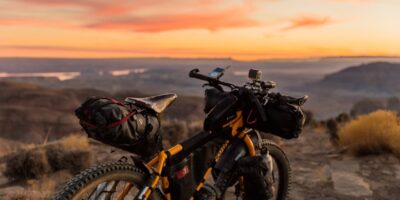
Forget what the sponsored athletes post on Instagram. Here’s what actually goes in the top tube bag after 100 days on the road—tested across three continents and 5,000+ miles of real touring.
The Calorie Math
A fully loaded touring cyclist burns 4,000-6,000 calories daily. That’s roughly double what a normal person eats. At that consumption rate, “clean eating” becomes mathematically impossible and financially absurd.
You’re not optimizing for a one-day race. You’re fueling a diesel engine that needs to run for weeks or months. The strategy shifts from “best performance” to “sustainable calories.”
Breakfast: The Foundation
Oatmeal wins every time. Instant packets from any grocery store work perfectly. Add peanut butter for fat, honey for quick carbs, banana if available. The combination costs under $2 and provides 600+ calories of slow-burning fuel.
Why it works: complex carbohydrates release energy slowly through the morning. You won’t bonk at mile 20 like you would after a pastry-and-coffee breakfast.
Backup options: Granola with powdered milk, breakfast burritos from gas stations (surprisingly effective), or the classic eggs-and-toast at diners when you want a real meal.
On-Bike Fuel: What Actually Works
The key is eating before you’re hungry. Once you feel depleted, you’re already 30 minutes behind on calories. Eat something small every 30-45 minutes.
The Touring Classics
PB&J sandwiches — The undisputed champion of bike food. Make two at breakfast, wrap in foil, eat throughout the day. Peanut butter provides fat and protein, jelly adds quick sugar, bread gives carbs. About 400 calories each. Ingredients available literally everywhere.
Snickers and PayDay bars — High calorie density (250-280 cal per bar), doesn’t melt as badly as pure chocolate, available at every gas station in America. PayDays handle heat better due to the nougat-free construction.
Trail mix — Buy in bulk at grocery stores, portion into zip-lock bags. Customize your ratio of nuts, dried fruit, and chocolate based on temperature and preference. About 150 calories per handful.
Bananas — When available. Nature’s wrapper. Quick sugar plus potassium for cramp prevention. Usually gone by lunch.
The Gas Station Strategy
You’ll stop at convenience stores constantly. Know what works:
- Clif Bars and similar — Widely available, predictable nutrition, don’t require refrigeration.
- String cheese — Protein and fat in a portable package. Survives a few hours unrefrigerated.
- Beef jerky — Expensive but effective protein. Good for late-day when you need something savory.
- Chocolate milk — Perfect recovery drink if you’re stopping somewhere with refrigeration.
Dinner: Recovery Mode
After 80 miles, you need calories in whatever form delivers them fastest.
Grocery store rotisserie chicken — The veteran move. $6 gets you 2000+ calories, no cooking required. Eat half for dinner, wrap the rest for tomorrow’s lunch. Available in virtually every American town.
Ramen with peanut butter — Sounds weird, tastes fine, adds fat and protein to what would otherwise be empty carbs. Two packets of ramen plus two tablespoons of peanut butter equals a surprisingly complete meal.
Pizza — The universal recovery food. Every town has it. Delivery works for hotel touring; a whole pizza from Little Caesars costs $6 and covers your evening calorie needs.
Pasta with olive oil and salt — When you’re camping and need something warm. Boil water, cook pasta, add fat. Not gourmet, but effective.
Hydration Beyond Water
Plain water isn’t enough when you’re sweating for 8 hours. You lose electrolytes—sodium, potassium, magnesium—that water alone doesn’t replace.
Practical solutions:
- Electrolyte tablets (Nuun, Skratch) for one bottle per day
- Salt your food more liberally than usual
- Sports drinks when available (Gatorade, Powerade)
- Pickle juice at rest stops—sounds gross, works amazingly
The Reality Check
Nobody survives months on the road eating only energy gels and recovery powder. Sponsors don’t show real tour nutrition because gas station burritos and Costco trail mix don’t photograph well for Instagram.
Your body adapts faster than you expect. After two weeks, you stop obsessing over macros and start focusing on the only metric that matters: can you ride again tomorrow?
Eat what you can, when you can. The romantic image of the cyclist carefully preparing balanced meals evaporates when you’re tired, hungry, and the only open option is a Subway at 8 PM. And that’s fine—your body will use those calories just the same.