Amsterdam to Istanbul by Bike Through 12 Countries
Cross-continental bike touring has gotten complicated with all the route options flying around online. As someone who pedaled from Amsterdam to Istanbul last summer and made every rookie mistake in the book, I learned everything there is to know about this 3,500-kilometer corridor. Today, I will share it all with you.
That’s what makes this route endearing to us adventure cyclists – it’s established enough to find route information, wild enough to feel like genuine adventure. Twelve countries, countless border crossings, and a cultural journey that’s as significant as the physical one.
The Route Overview
Multiple variations exist, but the most common route follows this general path:
Netherlands to Germany: Flat cycling through the Rhine delta, crossing into Germany within the first day or two. The Netherlands’ infrastructure makes starting easy – dedicated cycling paths, clear signage, cycling-friendly culture. I remember feeling almost cheated by how easy those first days were.
Germany to Austria: Following the Danube becomes possible in Germany and continues into Austria. The EuroVelo 6 route traces the river, providing established cycling infrastructure.
Austria to Slovakia and Hungary: Vienna marks the transition from Western to Central Europe. The Danube continues through Bratislava and Budapest – major cities with tourist infrastructure but also genuine cultural transition.
Hungary to Serbia: Entering the Balkans changes everything. Infrastructure decreases; adventure increases. Serbia offers genuine hospitality and dramatically lower costs. Probably should have led with this section, honestly – the Balkans are where this trip becomes truly memorable.
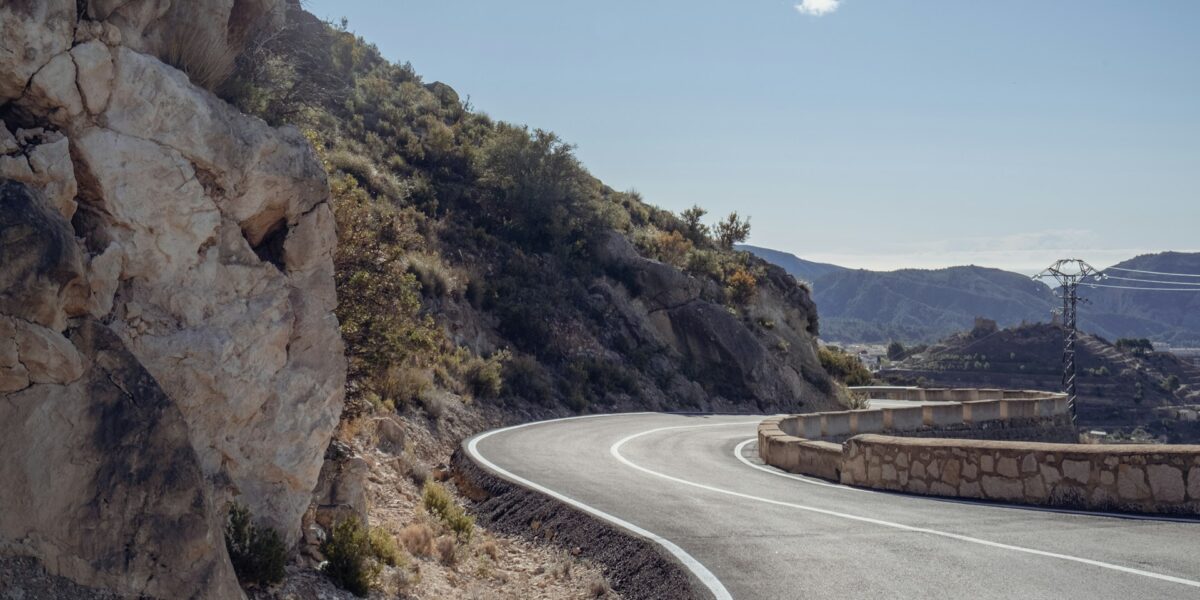
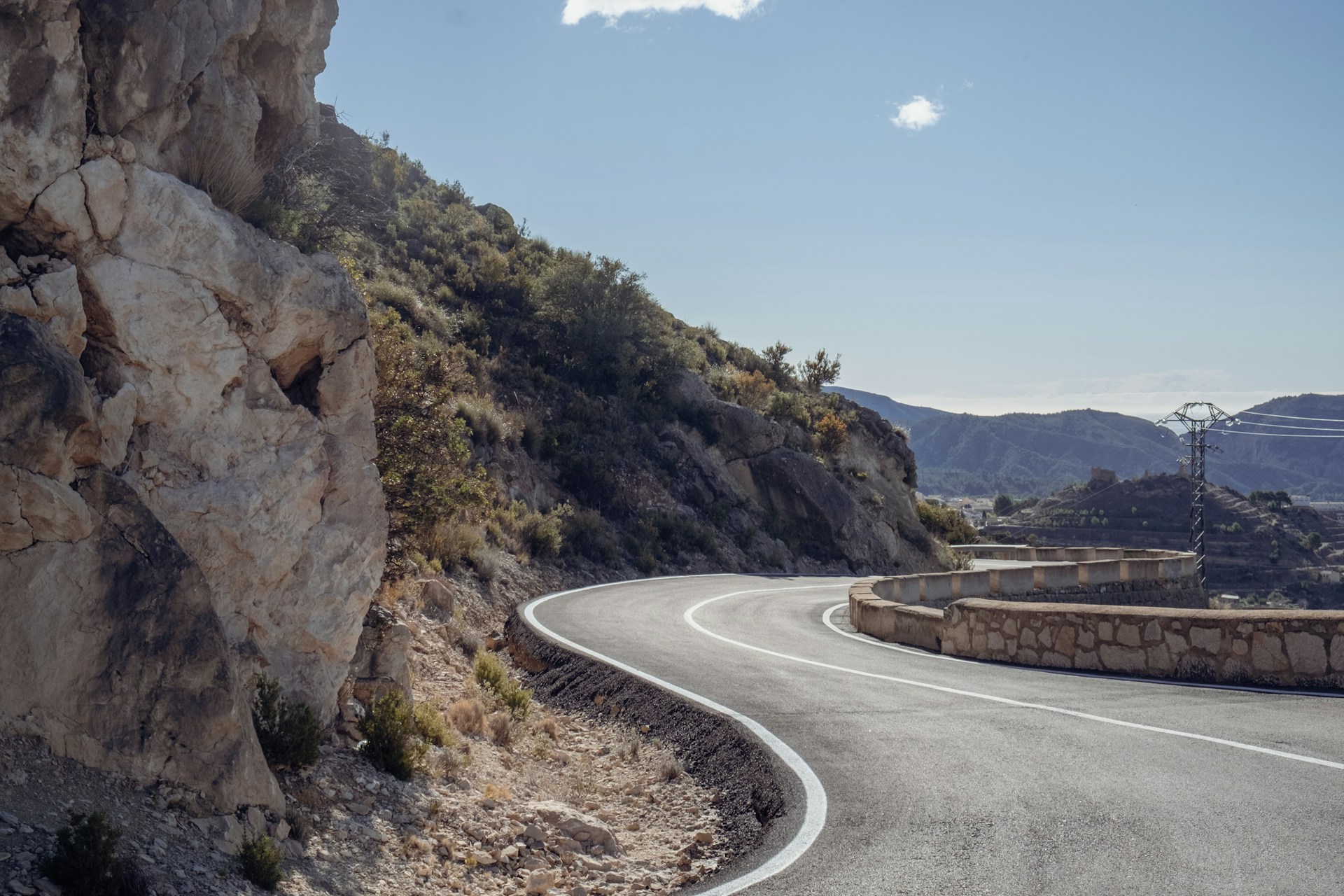
Serbia to Bulgaria: Climbing begins. The terrain shifts from Danubian plains to mountainous Balkans. Road conditions become more variable.
Bulgaria to Turkey: The final transition. Border crossings become more formal. Turkey feels different – the destination rather than the route.
Timing and Season
Optimal window: May through September. Shoulder seasons (May-June, September) balance weather with reduced tourist crowds.
Summer heat: July and August bring high temperatures in the Balkans. Early starts and afternoon siestas become essential in Serbia and Bulgaria. I made the mistake of pushing through midday heat in Serbia and paid for it with near-heatstroke.
Spring considerations: Late spring can mean high rivers and wet conditions, particularly in the Alpine regions. Snow persists at higher passes into May.
Total time: Plan 6-8 weeks for comfortable pacing. Speed riders complete it in 4 weeks; leisurely travelers take 10. Your pace determines the experience.
Country-by-Country Highlights
Netherlands: Perfect warm-up. Bike paths everywhere. Flat terrain builds confidence. Amsterdam to the German border takes 2-3 days.
Germany: The Danube bike path (Donauradweg) offers exceptional infrastructure. Castle towns, beer gardens, and efficient German organization. 4-5 days to Austria.
Austria: Vienna deserves a rest day or two. The Wachau Valley wine region before Vienna is stunning. Cultural density increases. 3-4 days.
Hungary: Budapest is unmissable – thermal baths, ruin bars, architectural grandeur. The Great Hungarian Plain beyond is flat but monotonous. 4-5 days.
Serbia: Where the adventure truly begins. Exceptional hospitality; people invite strangers to dinner. I was stopped on the road three times by locals offering food and drinks. Belgrade is gritty and fascinating. 5-6 days.
Bulgaria: Mountains return. The Balkans present real climbing. Sofia offers cultural sophistication; rural areas offer authenticity. 5-6 days.
Turkey: The European portion is brief before Istanbul. The city itself overwhelms – plan several days to experience it. 3-4 days to Istanbul plus time there.
The Danube Route Advantage
EuroVelo 6 follows the Danube from the source in Germany to the Black Sea. Joining this established route provides significant advantages:
Infrastructure: Dedicated bike paths, signage, and cycling-specific maps. Navigation is simpler than creating your own route.
Accommodation: Hotels, hostels, and campgrounds positioned for cycling tourists. Warmshowers hosts concentrated along the route.
Community: You’ll encounter other touring cyclists regularly. This means shared information about road conditions, border crossings, and routing. Some of my best memories came from riders I met along the way.
Deviation options: The Danube provides a spine; you can detour into mountains, cities, or less-traveled regions while having the main route to return to.
Border Crossing Reality
Schengen zone: Netherlands through Hungary (except Serbia) are Schengen countries. No border controls between them – you often won’t know you’ve crossed borders.
Serbia: Not in Schengen. Actual border crossings with passport checks. Generally straightforward but expect queues at peak times.
Bulgaria: EU but not Schengen. Border controls returning from Serbia; minimal controls entering Turkey.
Turkey: Visa requirements vary by nationality. Americans get e-visas; check current requirements for your passport. The Bulgarian-Turkish border is more formal than intra-EU crossings.
Accommodation Strategies
Western Europe: Expensive. Hostels, Warmshowers hosts, and camping keep costs manageable. Budget 40-60 EUR daily for accommodation and food in Netherlands, Germany, Austria.
Central Europe: More affordable. Hungary, Serbia, Bulgaria offer comfortable accommodation for 15-25 EUR nightly. Food costs drop proportionally. The price difference is dramatic.
Wild camping: Legally complicated in Western Europe, practically easy in the Balkans. Serbia has a wild camping culture; finding spots is simple. Always practice Leave No Trace.
Warmshowers: The cycling hospitality network is active along this route. Request hosting well in advance during peak season.
Logistics and Supplies
Currency: Euro works in Netherlands, Germany, Austria. Hungary uses Forint. Serbia uses Dinar. Bulgaria uses Lev. Turkey uses Lira. Each transition requires some cash management.
ATM strategy: Withdraw reasonable amounts in each currency rather than changing cash. ATMs are available in all but the most rural areas.
Bike shops: Excellent in Western Europe; adequate in capitals; sparse in rural Balkans. Carry essential spares for sections between major cities. I learned this the hard way when a derailleur hanger broke in rural Serbia.
Food resupply: Daily shopping works throughout. Supermarkets exist in every town of significance. Rural areas may require planning – carry a day’s food when uncertain.
The Istanbul Arrival
Arriving in Istanbul by bicycle is memorable but chaotic. The city sprawls; the approach from the European side passes through industrial suburbs before reaching the historic center.
Navigation: GPS navigation helps in the final approach. Street patterns and traffic are complex.
Traffic: Istanbul traffic is aggressive. Early morning arrival reduces stress. Alternatively, transit options exist to skip the final suburban grind.
Celebration: Reaching the Bosphorus – the boundary between Europe and Asia – completes something significant. Give yourself time to appreciate the arrival before starting the next thing. I sat on the waterfront for two hours just watching boats pass.
Return Options
Fly home: Istanbul has excellent flight connections worldwide. Bike shipping or boxing is available through the city’s cycling community.
Continue east: Some riders continue into Asia – Iran, the Silk Road, Southeast Asia. Istanbul is a waypoint, not necessarily an endpoint.
Train return: European rail networks can return you to starting points, though the journey takes days and bike transport varies by operator.
Preparation Essentials
Physical preparation: Build to 100km days comfortably before departure. The route has no single hard section, but cumulative fatigue affects riders who aren’t conditioned for daily distance.
Language preparation: Basic phrases in German, Hungarian, Serbian, Bulgarian, and Turkish help. English is widely spoken in tourist areas; much less so in rural Balkans.
Route planning: Download offline maps for each country. Cell coverage is generally good, but dead zones exist, particularly in mountain sections.
Gear for conditions: Prepare for heat in the Balkans and possible cold in mountain sections. Rain gear matters throughout.
Amsterdam to Istanbul represents a genuine journey – not just physical kilometers but cultural transition from prosperous Northern Europe through the heart of the continent to the edge of Asia. The distance is manageable; the memories are permanent.