The Great Debate: Panniers vs Bikepacking Bags
After riding 15,000 miles across four continents, I’ve used every luggage system imaginable. The bikepacking revolution promised lightweight freedom, but here’s what actually happens when rubber meets road on a six-month tour.
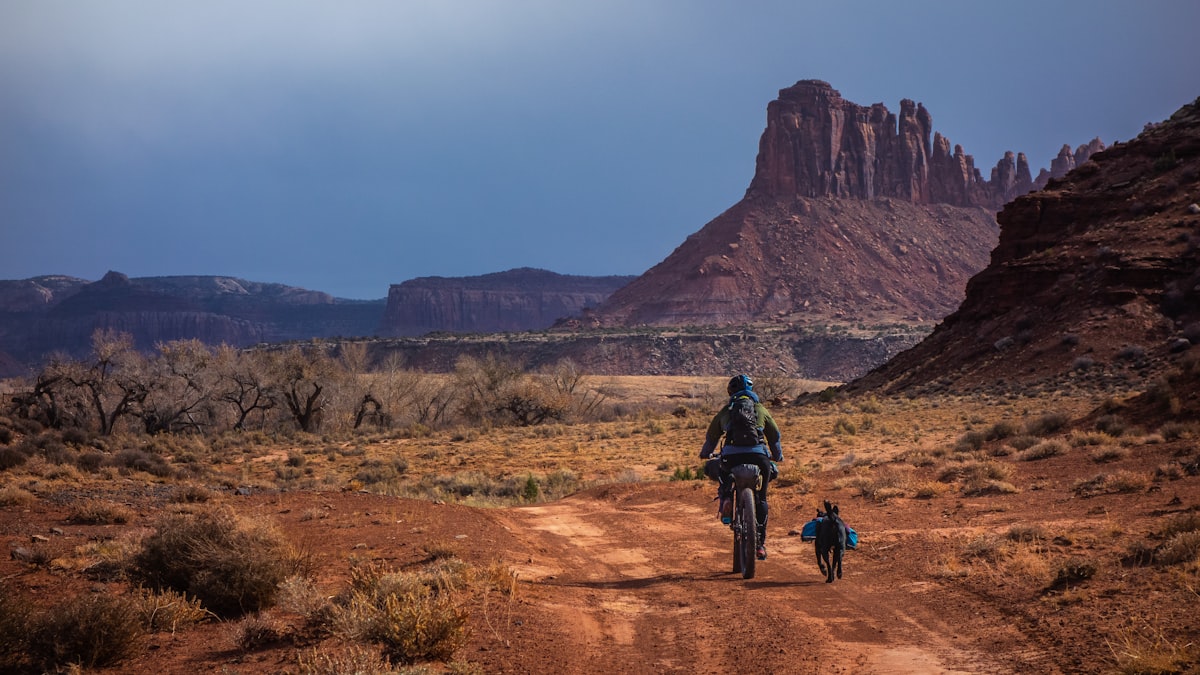
Why Panniers Dominated for 50 Years
Traditional panniers aren’t just relics from your parents’ cycling era. These rectangular bags, mounted on racks over your wheels, became the standard for touring cyclists for good reasons that still hold true today.
Capacity: A pair of rear panniers typically holds 40-50 liters. Front panniers add another 25-30 liters. That’s 70-80 liters of organized, accessible storage without touching your frame.
Organization: Open a pannier and everything is visible. No digging through a sausage-shaped bag wondering where you packed your rain jacket. Panniers have pockets, compartments, and flat bottoms that keep contents from becoming a compressed mess.
Weight distribution: With racks placing weight low and over the wheel axles, a loaded touring bike handles predictably. The center of gravity stays manageable even with 50 pounds of gear.
Durability: Quality panniers like Ortlieb Back-Rollers survive decades of abuse. Their waterproofing doesn’t rely on seam tape that eventually fails. The mounting hardware is replaceable, and the bags themselves resist punctures, tears, and UV damage.
The Bikepacking Revolution
Around 2010, frame bags, seat packs, and handlebar rolls started appearing on adventure cycling forums. The appeal was immediate: no racks meant less weight, fewer mechanical failure points, and bikes that still handled like bikes instead of cargo ships.
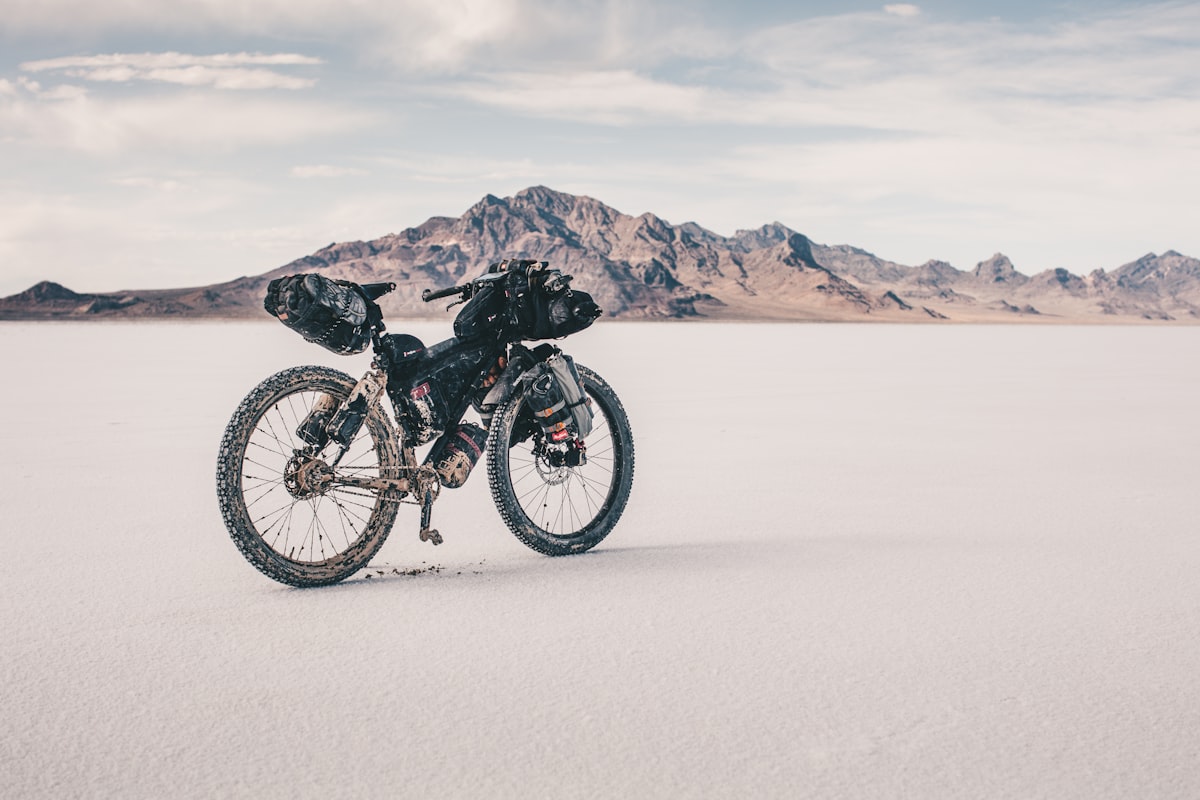
Seat packs strap directly to your seatpost and saddle rails. They’re shaped like tapering cylinders, typically holding 8-16 liters. Modern designs from Apidura, Revelate, and Ortlieb use waterproof fabrics with roll-top closures.
Frame bags fill the main triangle of your bike. Custom-fitted versions maximize space while avoiding contact with water bottles, cables, and cranks. Capacity ranges from 3 liters for partial bags to 12+ liters for full-frame designs.
Handlebar rolls mount in front of your handlebars, carrying sleeping bags, tents, or clothing. They typically hold 10-15 liters and include small accessory pockets for frequently needed items.
Top tube bags and feedbags add another 1-3 liters each for snacks, phones, and tools you need while riding.
Real-World Performance: What 8,000 Miles Taught Me
In 2023, I rode from Portland to Patagonia using a bikepacking setup. Here’s where the theory met reality:
Week 1-4 (Pacific Coast Highway): The bike felt nimble. I was keeping up with roadies on group rides and easily carrying my setup into hotel rooms. The Instagram photos looked amazing.
Week 5-8 (Baja California): My seat pack developed a sag, rubbing my rear tire. The frame bag blocked water bottle access on the downtube. I started leaving gear at motels because repacking took 30 minutes each morning.
Week 9-16 (Central America): The handlebar roll shifted during rough descents. I crashed twice when it hit my front wheel. Sweat corroded the velcro straps on my top tube bag. My gear got wetter in rain than friends using panniers because bikepacking bag seams aren’t truly waterproof.
Week 17-24 (South America): I bought cheap rear panniers in Bogota. They weighed more and looked terrible, but I could pack in 5 minutes, access anything without stopping, and distribute weight properly for mountain passes.
When Bikepacking Bags Win
Technical terrain: Singletrack, sand, and loose surfaces favor bikepacking’s narrower profile and centered weight. Panniers catch on vegetation and shift your center of gravity unpredictably on drops.
Mixed-use bikes: If your touring bike doubles as a commuter or group ride machine, removing bikepacking bags takes seconds. Racks and panniers feel committed.
Ultralight touring: Going credit-card style with minimal gear? A seat pack and handlebar roll hold everything you need for motel-hopping without the rack weight penalty.
Air travel: Bikepacking bags fit in checked luggage or carryon. Racks require removal and often don’t survive baggage handlers.
When Panniers Still Dominate
Multi-month tours: The organization and accessibility advantages compound over time. Saving 5 minutes per morning packing adds up to entire extra days of riding over a six-month tour.
Self-supported camping: Tent, sleeping bag, pad, stove, food, and water add up. Bikepacking bags max out around 35-40 liters unless you add a trailer. Panniers comfortably carry 80 liters.
Wet climates: Ortlieb and Vaude panniers are genuinely waterproof. After 30 days of Patagonian rain, my pannier contents were dry. My friends with bikepacking bags used trash bag liners inside their “waterproof” bags.
Grocery runs: Panniers transform into shopping bags. Try fitting baguettes and wine bottles in a seat pack.
The Hybrid Approach That Actually Works
Most experienced touring cyclists now use combinations:
Light-to-medium loads (under 25 lbs): Seat pack + frame bag + handlebar roll. No racks needed. Bike stays nimble.
Heavy loads (25-50 lbs): Small rear panniers on a rack + frame bag + handlebar roll. This puts heavy items low while keeping the bike’s front end light and responsive.
Expedition loads (50+ lbs): Four-pannier setup with a small frame bag for daily essentials. Accept that you’re piloting a cargo ship and plan routes accordingly.
Gear Recommendations by Setup
Best bikepacking seat pack: Apidura Expedition Saddle Pack (14L). Stable mounting, truly waterproof, includes tool organization.
Best rear panniers: Ortlieb Back-Roller Classic (40L pair). Twenty-year track record, replaceable parts, actually waterproof.
Best handlebar bag: Revelate Sweetroll (11L). Stays secure on rough terrain, quick access pockets, reasonable price.
Best frame bag: Custom from Rogue Panda, Cedaero, or Rockgeist. Off-the-shelf bags rarely maximize your specific frame’s space.
Making the Right Choice
Before buying anything, answer these questions:
- How much gear will you carry? (Weigh everything, add 20% for food and water)
- What terrain will you ride? (Singletrack favors bikepacking, pavement accepts either)
- How long are your trips? (Weekend vs months changes the calculation)
- Does your bike have rack mounts? (No mounts limits pannier options)
- Will you fly with your bike? (Bikepacking bags travel easier)
The cyclists I see completing major tours increasingly use hybrids or have returned to panniers. The ultralight bikepacking revolution was real, but so were its limitations. Choose based on your actual needs, not forum trends or Instagram aesthetics.
Your luggage system should enable adventure, not become one itself.