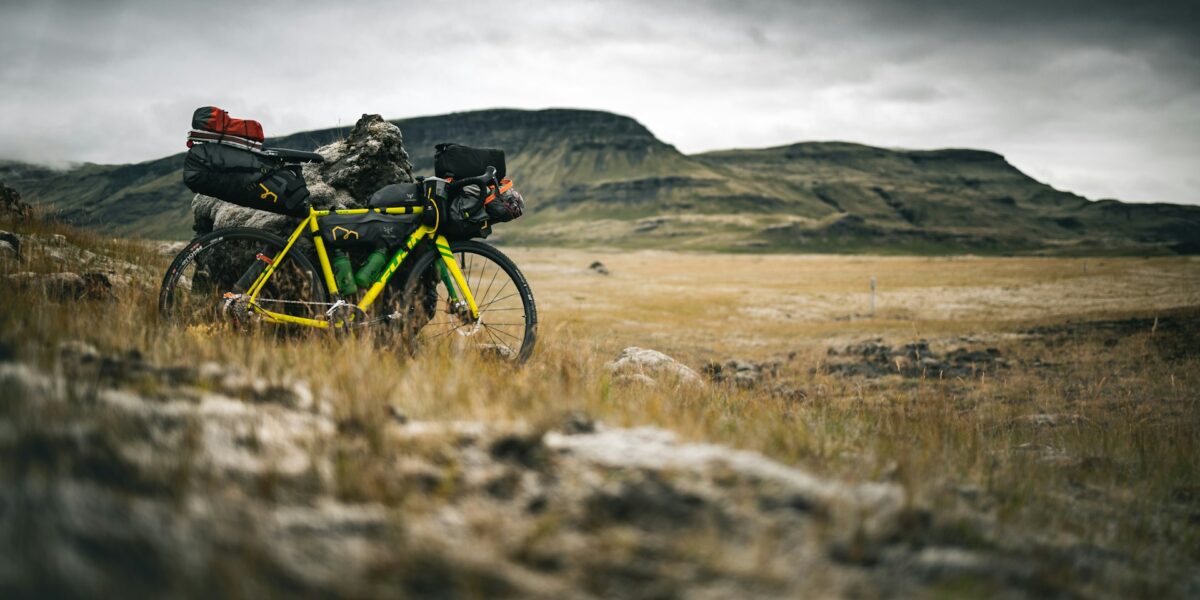
Sustainable long-distance cycling has gotten complicated with all the training plans and optimization advice flying around online. As someone who’s completed seven multi-week tours including a coast-to-coast crossing, I learned everything there is to know about the small habits that make or break a tour. Today, I’ll share the practices that separate cyclists who finish tours from those who quit on day three.
Probably should have led with this: on my first long tour, I ignored most of these habits. I pushed hard on day one, skipped breakfast, rode through the heat, and spent three days in a motel with saddle sores so bad I couldn’t sit. I’ve never made those mistakes again.
These habits aren’t complicated. But they require discipline when you’re tired, excited, or just want to push on. Master them and your adventure cycling transforms from survival mode to genuine enjoyment.
Start Every Ride Slowly
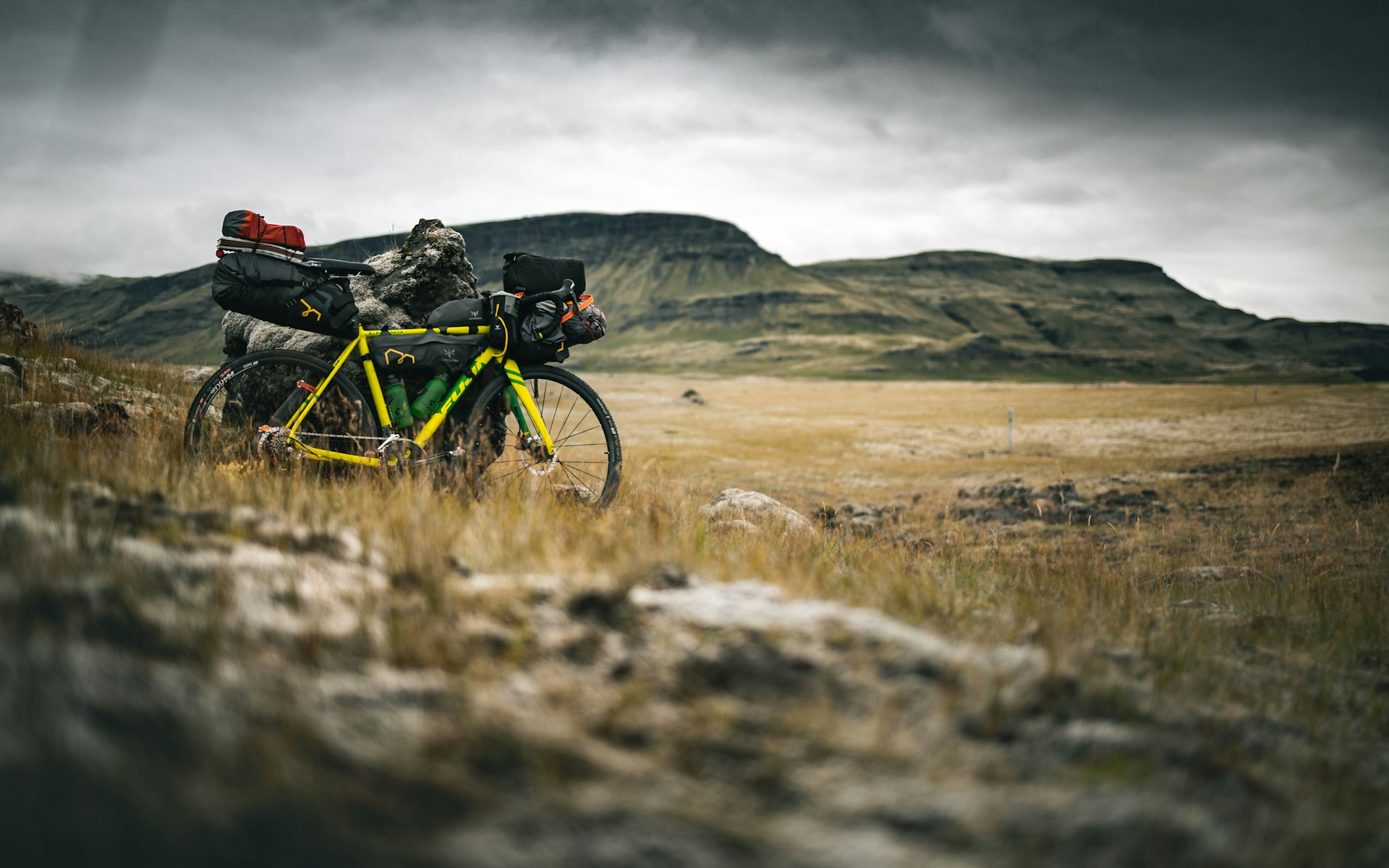
The first 30 minutes of any ride sets the tone for the entire day. Push too hard early and you’ll pay for it at mile 60. Start too slow and you’ll waste good energy.
Keep your heart rate 20 beats below threshold for the first 20-30 minutes. Your muscles need time to warm up, your cardiovascular system needs to ramp up gradually, and your joints need lubrication. I know this sounds basic, but I still see touring cyclists hammering out of camp every morning and complaining about how tired they feel by noon.
This feels frustratingly slow when you’re fresh and excited. Ignore that feeling. The discipline to start easy defines successful long-distance cyclists.
Beat the Wind by Starting Early
Headwinds destroy morale faster than hills. A 15 mph headwind adds the equivalent of a 3% grade to flat roads. Understanding wind patterns saved me more suffering than any piece of gear I’ve ever bought.
That’s what makes early mornings endearing to us touring cyclists—wind typically picks up after 10 AM as the sun heats the ground. Air rises, and surrounding air rushes in to fill the void. By afternoon, you’re fighting nature’s conveyor belt.
Start riding at dawn. Cover your hardest exposed sections before 9 AM. By the time winds reach full strength, you should be near shelter, rest stops, or protected terrain.
Use Terrain to Your Advantage
River valleys funnel wind. Lakes create afternoon breezes that blow from water toward land. Forests block wind completely. Route the exposed sections for morning hours. Save the forested trails for afternoon when you need the wind protection most.
When You Can’t Avoid Wind
Lower your body position. Drop to the hoods or drops and tuck your elbows. Every square inch of frontal area you eliminate saves energy.
Accept a slower pace. Fighting headwinds at normal speed exhausts you for the days ahead. Drop your target speed by 3-4 mph and maintain steady effort instead. I’ve learned not to fight the wind—I work around it.
Fuel Within the First Hour
Your body can only absorb about 250-300 calories per hour during exercise. If you wait until you’re hungry, you’ve already fallen behind. Eat within the first hour of every ride.
A banana, an energy bar, or a peanut butter sandwich in the first 45 minutes tops off glycogen stores while your digestion still works efficiently. I set a timer on my watch until this became automatic.
Hydrate Before You’re Thirsty
Drink one bottle in the first hour regardless of temperature. Thirst is a lagging indicator. By the time you feel thirsty, you’re already 2% dehydrated—enough to reduce performance by 10%.
Set a timer if needed. Every 15 minutes, take 3-4 gulps. This habit becomes automatic after a few weeks, but you have to force it at first.
Prevent Saddle Sores Before They Start
Saddle sores end more bike tours than mechanical failures. What starts as minor discomfort on day one becomes unbearable pain by day three. I learned this lesson the hard way on my first tour and have been religious about prevention ever since.
The Chamois Factor
Quality cycling shorts matter more than saddle choice. A good chamois provides cushioning and reduces friction. Bad chamois bunches, shifts, and creates pressure points.
Pack at least two pairs of shorts for multi-day trips. Rotate them daily, washing the worn pair and letting it dry completely before wearing again. Wet chamois breeds bacteria.
Chamois Cream Isn’t Optional
Chamois cream creates a barrier between skin and fabric. Apply generously before every ride. Reapply during long days when you stop for lunch.
Don’t skimp on quantity. The goal is zero friction. If you feel any chafing during the first hour, you didn’t use enough. I go through more chamois cream than chain lube on tours.
Check Your Saddle Position
An improperly adjusted saddle causes more problems than a cheap saddle. Nose tilted down puts pressure on soft tissue. Nose tilted up creates friction on the back of your thighs.
Level saddle, slight nose-down if anything. Height should allow a slight knee bend at the bottom of the pedal stroke. These basic adjustments prevent most comfort issues.
The Compound Effect
None of these habits seem dramatic on their own. Starting slowly for 20 minutes, eating a banana at mile 10, applying chamois cream—small acts that take seconds.
But over a week-long tour, they compound. The cyclist who follows these practices arrives at day seven feeling strong. The one who skips them is fighting pain, fatigue, and frustration by day four. I’ve been both cyclists. Trust me—being the first one is better.
How you start determines how you finish. Build these habits and your long rides become dramatically more sustainable.