Top 10 Scenic Cycling Routes in Europe
European cycling routes have gotten complicated with all the conflicting advice flying around. As someone who’s pedaled through a dozen countries over the past six years, I learned everything there is to know about where to ride on this continent. Today, I will share it all with you.
This article includes affiliate links. We may earn a commission at no extra cost to you.
Look, there’s no shortage of “best routes” lists out there. Most of them are written by people who haven’t actually ridden the routes. I have. Some were glorious. A few nearly broke me. Here’s what I’d actually recommend after putting in the miles myself.
1. The Danube Cycle Path (Germany to Hungary)
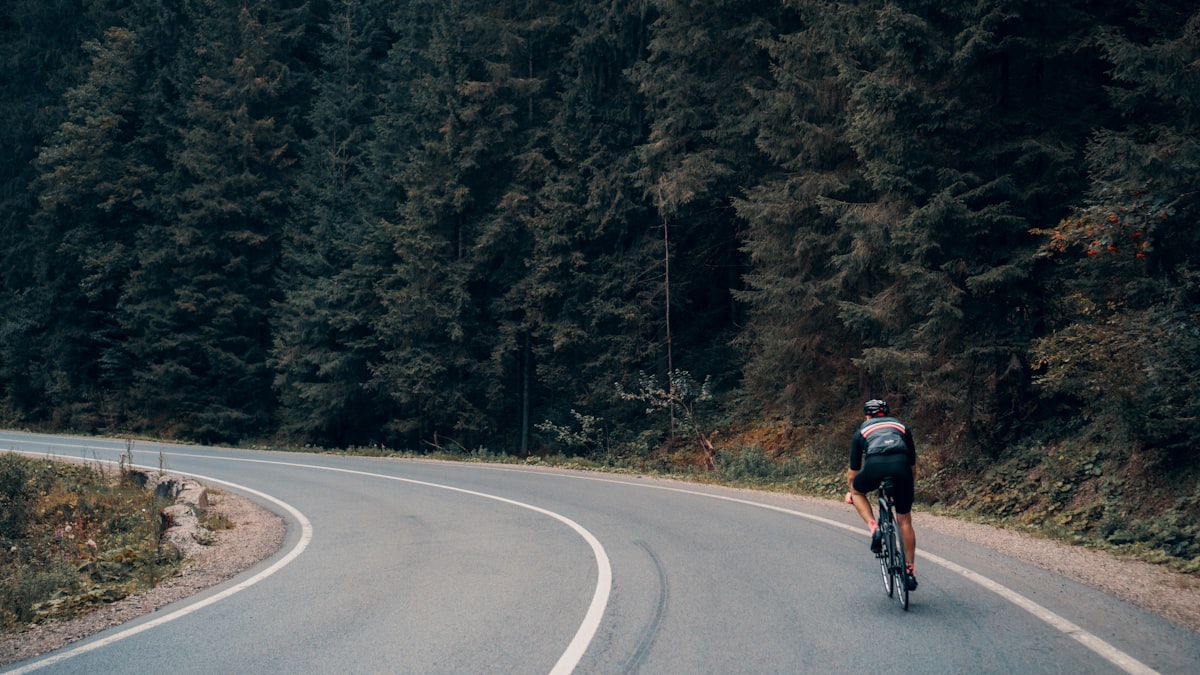
I’ll start with the one everyone recommends, and honestly, they’re right. The Danube path runs about 1,200km from Germany’s Black Forest all the way to Budapest, and it’s basically flat the entire way. You roll through Passau, Vienna, Bratislava — cities that’d be worth visiting even without a bike.
What makes this route special is the signposting. You’d genuinely have to try to get lost. I did the Vienna-to-Budapest stretch my first year of touring and it gave me the confidence to tackle harder stuff later.
Best for: First-time tourers, families, anyone who’d rather look at castles than stare at a gradient
2. EuroVelo 15: Rhine Cycle Route
From the Swiss Alps clear down to the North Sea, EuroVelo 15 traces the Rhine through four countries over 1,320km. The Rhine Gorge section? Absolutely stunning. Medieval castles perched on cliffs, vineyards tumbling down hillsides, and Dutch windmills at the other end. It’s like cycling through a postcard that keeps changing.
Best for: Cultural enthusiasts, wine lovers (you’ll pass through major wine regions and your willpower will be tested daily)
3. The Way of St. James – Camino de Santiago (France to Spain)
Most people know the Camino as a walking pilgrimage, but it’s fantastic on two wheels. The path from Saint-Jean-Pied-de-Port through northern Spain covers roughly 800km of varied terrain before you roll up to the cathedral in Santiago de Compostela. There’s something about arriving there on a bike that hits different than driving.
I met a retired teacher on this route who told me she’d walked it twice and cycled it once, and the cycling version changed how she saw the landscape entirely. Faster pace, wider perspective. I think she’s onto something.
Best for: Those seeking a spiritual or meaningful journey on wheels
4. La Route des Grandes Alpes (France)
Probably should have led with this section, honestly. This 720km route crosses the French Alps from Lake Geneva to the Mediterranean, and it doesn’t mess around — you’re climbing 16 legendary mountain passes including the Col du Galibier and Col d’Izoard. I won’t sugarcoat it: this one hurts. My legs were screaming by pass number four and I still had twelve to go.
But the descents? The views? Worth every suffering-filled meter of climbing. This is a bucket-list ride and it earns that label.
Best for: Experienced climbers, Tour de France enthusiasts who want to feel what the pros feel (minus the support car)
5. The Wild Atlantic Way (Ireland)
Ireland’s western coast runs 2,500km of dramatic cliffs, ancient ruins, and genuinely warm hospitality from locals who’ll invite you in for tea when it’s pouring. And it will pour. That’s just Ireland being Ireland.
I rode a week-long stretch of this in September and got rained on five of seven days. Still one of my favorite cycling memories. The landscape is that good. Those cliffs, those rolling green hills — the rain almost adds to the atmosphere.
Best for: Those who love coastal scenery and honestly don’t mind getting a bit wet
6. The Baltic Coast Route (Germany to Estonia)
This one’s my sleeper pick. EuroVelo 10 circles the Baltic Sea, but the section from Germany through Poland, Lithuania, and Latvia to Estonia is criminally underrated. Flat terrain, fascinating Cold War history everywhere you look, and roads so empty you’ll wonder if you took a wrong turn.
That’s what makes European cycling endearing to us adventure cyclists — there’s always another hidden route nobody’s talking about yet.
Best for: Off-the-beaten-path adventurers who want empty roads and real discoveries
7. The Loire Valley (France)
If you want easy riding with world-class culture, the Loire is your route. It follows France’s longest river through 900km of chateau country on dedicated bike paths. Charming towns pop up every few kilometers, and the cycling itself is gentle enough that you can actually enjoy the wine you’ll inevitably buy.
I spent ten days on this route and gained five pounds. No regrets whatsoever.
Best for: History buffs, anyone who appreciates fine food and doesn’t mind their kit getting tighter
8. The Trollstigen and Atlantic Road (Norway)
Norway is dramatic in a way that photos can’t capture. The fjords, the Atlantic Road stretching over the sea, the Trollstigen switchbacks — it’s otherworldly. But I’ll be honest: the climbing is brutal. You’re earning every single one of those views.
Budget warning too. Norway is expensive. My daily food costs were roughly double what I spent in the rest of Europe. Plan accordingly.
Best for: Strong cyclists who want scenery that’ll ruin every other ride for them
9. Via Claudia Augusta (Germany to Italy)
Following an ancient Roman road for 700km from Bavaria to Venice? Yes please. This route crosses the Alps via the Reschen Pass, and it’s challenging but not insane. The infrastructure is solid, the historical context is fascinating, and you end up in Venice. I mean, come on.
A friend of mine did this as her first alpine crossing and said it was the perfect difficulty level — hard enough to feel accomplished, doable enough to enjoy the scenery.
Best for: Those wanting an alpine crossing without questioning every life choice on the way up
10. The Algarve Coast (Portugal)
Southern Portugal is where I go when I need a cycling reset. Year-round rideable weather, dramatic cliffs, quiet roads, and some of the best value in Western Europe. The 200km coastal route takes just a few days, or you can extend inland to the rolling hills and really stretch your legs.
Perfect for a quick getaway when your legs are itching but your schedule is tight.
Best for: Winter cycling escapes, beach lovers, anyone who needs sunshine and a few days on the bike
Planning Your European Cycling Adventure
Here’s what I wish someone had told me before my first European tour: the infrastructure is genuinely excellent almost everywhere. Dedicated bike paths, cyclist-friendly accommodation, decent signposting. You don’t need to overthink it.
Timing-wise, aim for late spring (May-June) or early fall (September). You’ll dodge the worst crowds and the weather is usually cooperative. I’ve done July rides and regretted it — too hot in the south, too packed on popular routes.
One practical tip that saves a ton of hassle: fly into one city and out of another so you’re not backtracking. Most European trains take bikes too, which gives you a nice escape hatch if the weather turns nasty or your knees start complaining. Don’t be too proud to use it — I’ve hopped a train through a three-day rainstorm and arrived at my next section refreshed instead of miserable.
Recommended Cycling Gear
Garmin Edge 1040 GPS Bike Computer – $549.00
Premium GPS with advanced navigation.
Park Tool Bicycle Repair Stand – $259.95
Professional-grade home mechanic stand.
As an Amazon Associate, we earn from qualifying purchases.

Stay in the loop
Get the latest adventure cycling world updates delivered to your inbox.