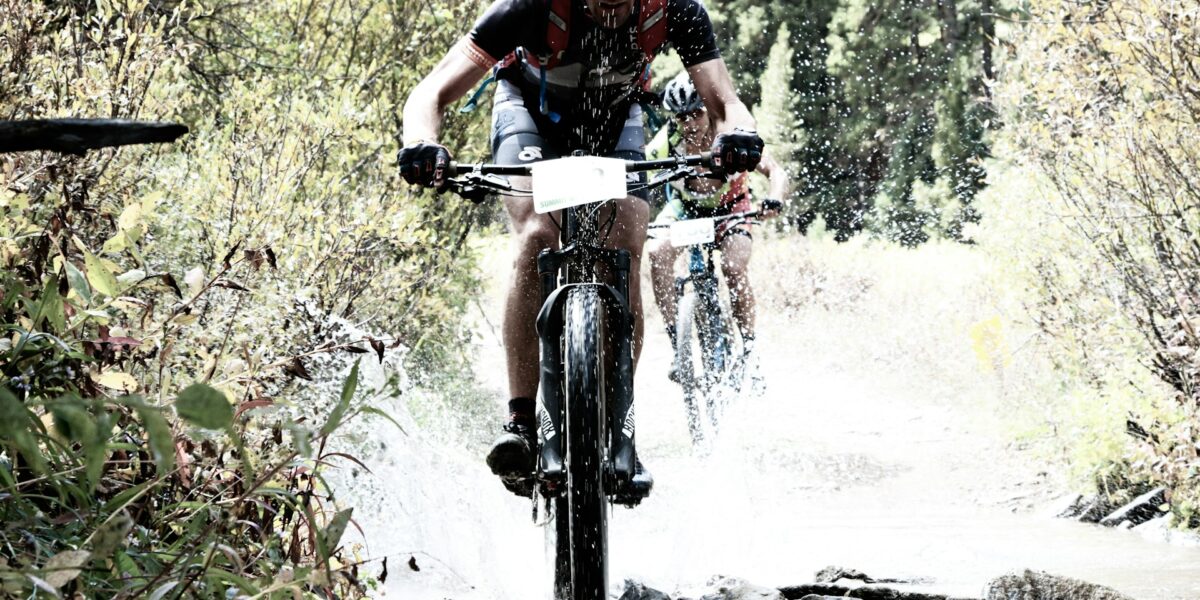
Social media growth for cyclists has gotten complicated with all the algorithms and “engagement hacks” flying around. As someone who built a cycling Instagram account from 200 followers to over 100K while still riding 150+ miles per week, I learned everything there is to know about content creation that doesn’t ruin your riding. Today, I’ll share what actually worked.
Probably should have led with this section, honestly: I almost quit cycling content creation twice. Once at 5K followers when the posting schedule started eating my ride time. Again at 40K when brand partnerships turned every ride into a photo shoot. What saved it both times was realizing I’d been doing social media backwards.
Why Most Cycling Content Advice Is Backwards
Here’s what broke for me: I started treating content creation like a desk job. Wake up, plan the day’s posts, ride specifically to capture content, rush home to edit, post, engage with comments, repeat. My rides got shorter. My legs got weaker. My content got worse.
The turning point came during a solo 80-mile gravel ride where I forgot my GoPro. No footage to capture. No stops for photos. Just riding. I came home exhausted and happy in a way I hadn’t felt in months. That ride got zero Instagram posts—but it reminded me why I started cycling in the first place.
That’s what makes cycling content endearing to us riders—it has to come from actual cycling, not from content strategy meetings.
The System That Worked: Ride First, Content Second
I rebuilt my entire approach around one rule: never let content creation damage a ride.
Strategic photo stops became actual rest stops. Instead of stopping every mile for content, I’d hit a scenic overlook or interesting trail feature where I’d naturally stop anyway. Three-minute break, grab a few shots, drink water, keep moving. These stops served the ride first and content second.
Action cameras ran continuously but I forgot about them. I mounted a GoPro on my handlebars and hit record at the start. Sometimes I’d remember it was there. Usually I didn’t. The camera captured everything automatically. I’d sort through footage later during recovery days when I wasn’t riding anyway.
Voice memos replaced the pressure to post immediately. During rides, when something interesting happened or I had a thought worth sharing, I’d pull out my phone for a 30-second voice note. These became post captions later. The authenticity of in-the-moment recording beat anything I tried to reconstruct post-ride.
The Batch Processing System That Saved My Riding
Here’s the workflow that let me post 4-5 times weekly while riding more than ever:
Saturday and Sunday: Pure capture. I’d ride hard. Camera running, phone accessible for quick shots, voice memos when appropriate. Zero editing. Zero posting. Just riding and casually collecting content.
Monday evening: Processing session. Two hours after dinner. Sort through weekend footage, pull best clips, match voice memos to video, write captions, schedule everything. This one session would produce content for Tuesday through Friday.
Tuesday through Friday: Auto-posting while I rode. Instagram’s scheduling tools handled posts automatically. I’d check comments during coffee, but the bulk of my time went to riding, not managing social media.
This system created a content bank. Bad weather weeks, injury recovery, or busy work periods could draw from banked content without gaps. The audience saw consistent posting. I experienced consistent riding.
Platform Choices That Actually Matter
I wasted six months on TikTok before accepting it didn’t fit my content style. Meanwhile, Instagram and YouTube worked immediately. Understanding why saved me tons of effort.
Instagram became my primary platform because cycling is photogenic and Instagram rewards visual content. Single images worked for scenic rides. Carousels worked for route guides or gear comparisons. Reels worked for quick riding clips. Stories worked for real-time ride updates. The platform matched what I naturally produced.
YouTube worked for deeper content. Full ride vlogs, detailed gear reviews, and route guides found audiences willing to watch 15-30 minute videos. YouTube’s search function meant old content continued finding viewers months later—unlike Instagram where posts died after 48 hours.
Strava became underrated gold. The cycling-specific platform connected me to serious riders who actually cared about segment times and route data. Comments on Strava came from people who rode similar distances, not casual scrollers. Higher quality engagement, smaller but more valuable audience.
The Specifics That Got Me to 100K
Three changes accelerated growth from slow trickle to meaningful momentum:
Narrowing my niche from “cycling” to “solo bikepacking.” General cycling content competed with thousands of accounts. Solo bikepacking content served a specific, underserved audience. My follower count was smaller but more engaged. Those followers returned consistently because I served their specific interest.
Showing failures alongside successes. My highest-engagement post ever was about getting lost for four hours in rural Oregon, running out of water, and learning to read USGS maps the hard way. People connect with struggle. Nobody connects with flawless adventure montages scored to upbeat music.
Responding to every comment for the first two years. Every single one. This took 30-60 minutes daily but built community that passive posting never could. Followers became friends. Friends shared content. Shares reached new audiences. The time investment paid off exponentially.
Equipment That Enabled This System
I’ll save you the expensive trial-and-error phase:
GoPro Hero 11 with hypersmooth stabilization made footage watchable even on rough gravel. Earlier models produced shaky unusable video. The stabilization upgrade made continuous recording practical.
Quad Lock phone mount balanced security with quick access better than cheaper alternatives. I destroyed two cheap mounts before spending $70 on Quad Lock. That mount has survived three years and thousands of miles.
Peak Design Travel Tripod weighs nothing, packs tiny, and enables self-filmed talking segments during stops. This unlocked a whole category of content I couldn’t produce otherwise.
Rode Wireless Go mic improved audio dramatically for video content. Camera-mounted mics catch mostly wind noise. The wireless lapel mic catches actual voice. The difference is night-and-day for vlogs.
Timing and Consistency (The Boring But Critical Stuff)
Analytics revealed patterns I never would have guessed:
Tuesday and Thursday at 7 PM consistently outperformed other posting times for my audience. Weekend posts performed worse despite being when I assumed cyclists browsed Instagram. Testing revealed reality.
Twice weekly posting matched my sustainable capacity. I tried daily posting for a month. Content quality dropped. Riding quality dropped. I got burned out. Returning to twice weekly improved both content quality and growth rate. Consistency beat frequency.
Summer content differed completely from winter content. Summer brought long ride videos and route guides. Winter brought indoor training tips and gear maintenance. Adapting content to seasonal riding patterns kept it authentic and relevant.
The Timeline Nobody Tells You
Building 100K followers took me four years. Not four months. Years. Understanding this timeline prevents premature quitting.
Year one: 200 to 2,000 followers. Slow. Discouraging. I questioned whether it was worth the effort. Most people quit here.
Year two: 2,000 to 15,000 followers. Growth accelerated as the algorithm learned my content type and found appropriate audiences. Collaborations with similar creators multiplied reach.
Year three: 15,000 to 60,000 followers. Compound growth kicked in. Each new follower potentially reached their followers. Content improved as my photography and editing skills developed. Brand partnerships began.
Year four: 60,000 to 100,000 followers. Growth continued accelerating. Established reputation in the bikepacking niche meant new followers discovered old content. Ride vlogs from year two continued generating views and followers in year four.
This timeline is normal. Expecting faster growth leads to frustration and quitting. The cyclists who succeed understand it’s a years-long process.
Monetization (Or: How This Eventually Paid for Bikes)
Revenue didn’t start until year three. But once it started, several streams emerged:
Brand partnerships with gear companies paid $500-2,000 per post depending on scope. I only partnered with companies whose gear I actually used. This maintained credibility and audience trust. Selling out for a paycheck destroys everything you’ve built.
Affiliate links for bike gear generated $1,000-2,000 monthly through Amazon Associates and REI’s program. Followers who trusted my gear recommendations would purchase through my links. The income was passive once links were in place.
YouTube ad revenue added $300-500 monthly once monetization kicked in. Not life-changing money but enough to cover bike maintenance and small gear purchases.
Bikepacking route guides I created sold for $15 each as digital downloads. Creating one guide took 20 hours of work but then sold repeatedly with zero additional effort. This became the highest-margin income stream.
Protecting the Riding (Most Important Section)
The biggest risk in cycling social media is letting it consume the cycling itself. I’ve watched this happen to other creators. Their content improved while their riding deteriorated. Eventually they were content creators who used to cycle.
Here’s how I avoided that trap:
Weekly camera-free rides became mandatory. Every Wednesday I rode without any recording equipment. Phone stayed in airplane mode. No content creation pressure. Just riding. These rides reminded me why I started.
Annual content sabbaticals. One month per year I posted nothing. Radio silence. The audience survived. I returned refreshed. The break maintained perspective that social media was supplementing cycling, not replacing it.
Posting less but riding more consistently produced better content than posting more but riding less. When ride quality declined, content quality declined. When I prioritized ride quality, content quality improved naturally.
The cyclists who build legitimate followings from the saddle succeed by staying cyclists who create content—not becoming content creators who occasionally cycle. That distinction matters more than any algorithm hack or engagement strategy.
Social media presence should emerge from cycling, not consume it. Get that backwards and you’ll lose both the audience and the riding.

Stay in the loop
Get the latest adventure cycling world updates delivered to your inbox.