
Why Cycle Touring is the Ultimate Adventure
There’s something magical about loading up a bicycle with everything you need and setting off into the unknown. Cycle touring combines the freedom of independent travel with the intimate connection to landscapes that only human-powered movement can provide.
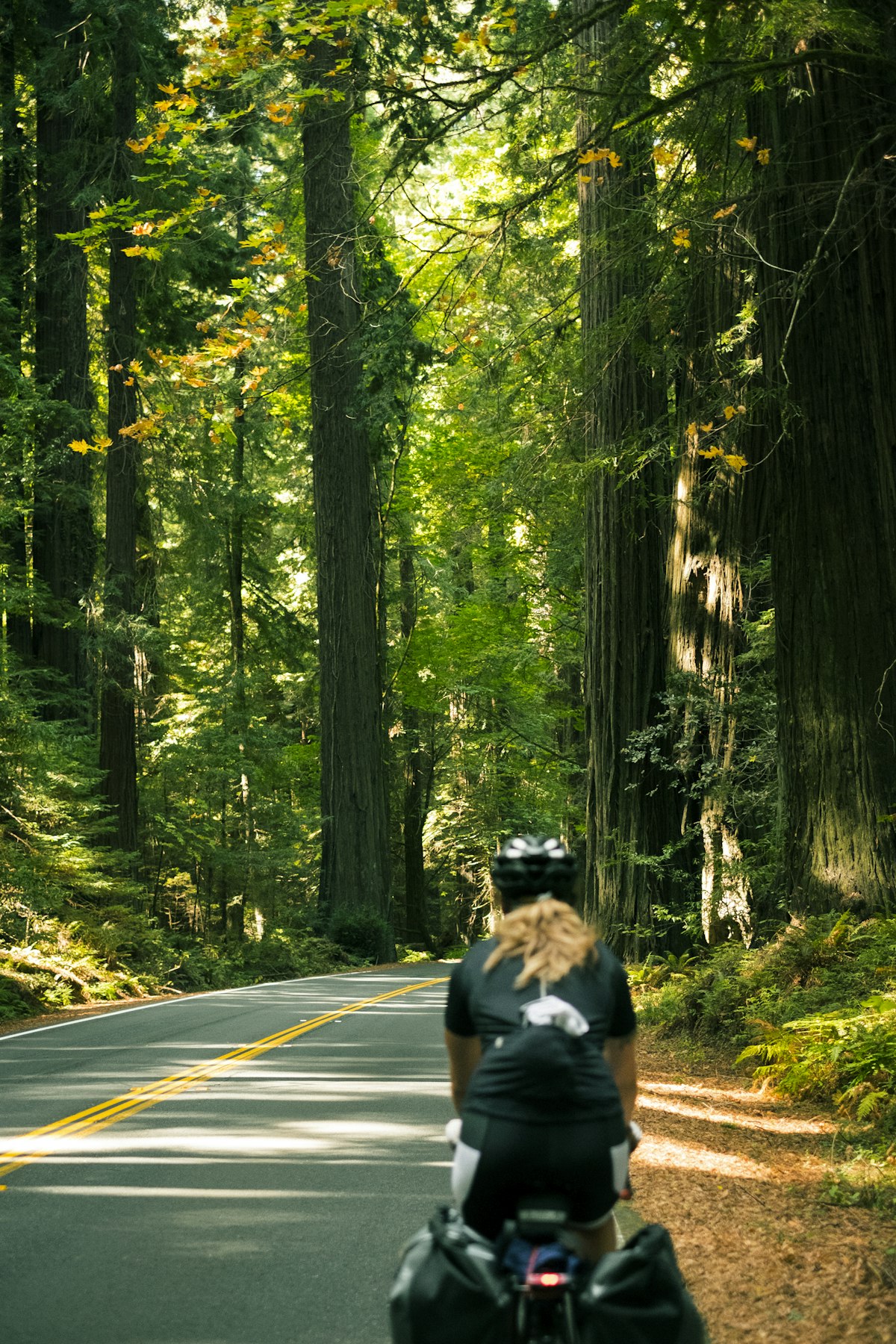
Unlike car travel, where the world rushes by in a blur, cycling lets you experience every hill, smell every forest, and feel the temperature change as you climb into mountains or descend into valleys. You become part of the landscape rather than just passing through it.
Getting Started: Essential Gear
The beauty of cycle touring is its simplicity. At its core, you need a reliable bicycle, panniers or bikepacking bags, camping gear (if wild camping), and the willingness to embrace uncertainty.
Choosing Your Bike
While dedicated touring bikes offer optimal comfort for long distances, almost any bicycle can be adapted for touring. The key considerations are:
- Steel frames offer durability and a smooth ride, plus they can be repaired almost anywhere in the world
- Wide tire clearance allows you to run comfortable 35mm+ tires for varied terrain
- Multiple mounting points for racks, bottles, and accessories
- Reliable components that can handle daily use and are easily serviceable
Carrying Your Gear
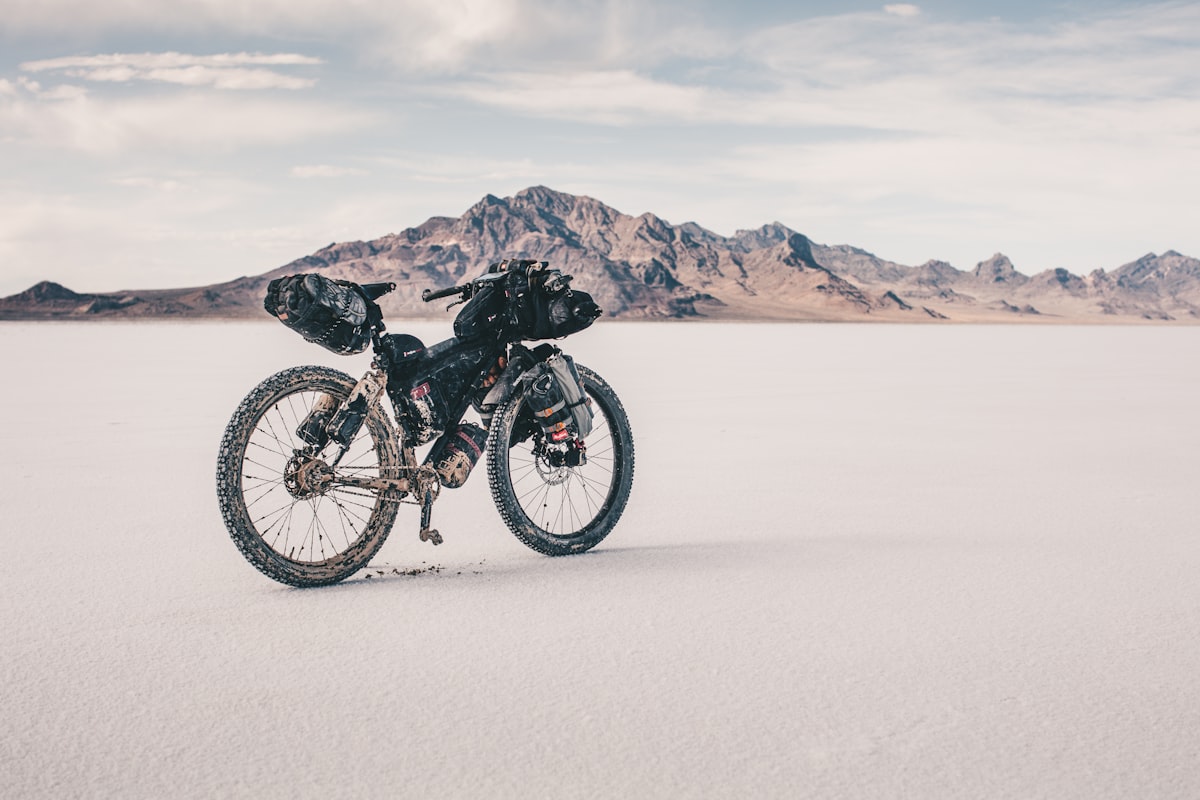
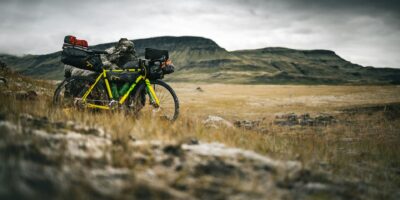
The two main approaches are traditional panniers mounted on racks, and the newer bikepacking bag systems. Panniers offer more capacity and easier organization, while bikepacking bags keep weight closer to the bike’s center and work on bikes without rack mounts.
Planning Your First Tour
Start with a weekend trip close to home. This lets you test your gear, discover what you actually need versus what seemed essential, and build confidence before longer adventures.
A good first tour might be 50-80 miles over two days, with a campground or budget accommodation at the midpoint. This distance is achievable for most cyclists while still providing a genuine touring experience.
Route Planning Tips
- Prioritize quiet roads and dedicated cycling infrastructure over the shortest route
- Research water and food availability, especially in remote areas
- Have backup plans for accommodation in case of weather or mechanical issues
- Download offline maps – cell coverage isn’t guaranteed in the best cycling areas
The Mental Side of Long-Distance Cycling
Cycle touring is as much a mental challenge as a physical one. There will be days when headwinds seem endless, when hills appear from nowhere, and when you question why you’re doing this at all.
These moments pass. The satisfaction of reaching your destination under your own power, the unexpected encounters with kind strangers, and the profound sense of capability that grows with each tour – these make every challenging moment worthwhile.
Join the Community
Cycle tourists are among the friendliest people you’ll meet. Online forums, local cycling clubs, and organizations like Adventure Cycling Association connect riders planning routes, sharing experiences, and occasionally meeting up on the road.
Your first tour is just the beginning. Many cyclists who try touring once find it becomes a lifelong passion, with each trip building skills and confidence for increasingly ambitious adventures.
Recommended Cycling Gear
Garmin Edge 1040 GPS Bike Computer – $549.00
Premium GPS with advanced navigation.
Park Tool Bicycle Repair Stand – $259.95
Professional-grade home mechanic stand.
As an Amazon Associate, we earn from qualifying purchases.

Stay in the loop
Get the latest adventure cycling world updates delivered to your inbox.