
Bunny hopping has gotten complicated with all the YouTube tutorials and “secret tricks” flying around. As someone who spent six frustrating months learning this skill wrong before finally figuring it out, I learned everything there is to know about proper bunny hop technique. Today, I’ll share what actually works—and the mistakes that kept me stuck for way too long.
Probably should have led with this: the bunny hop looks simple when executed well, but I crashed into the same log about 50 times before I understood what I was doing wrong. Save yourself the bruises and learn the proper mechanics from the start.
What Is a Bunny Hop
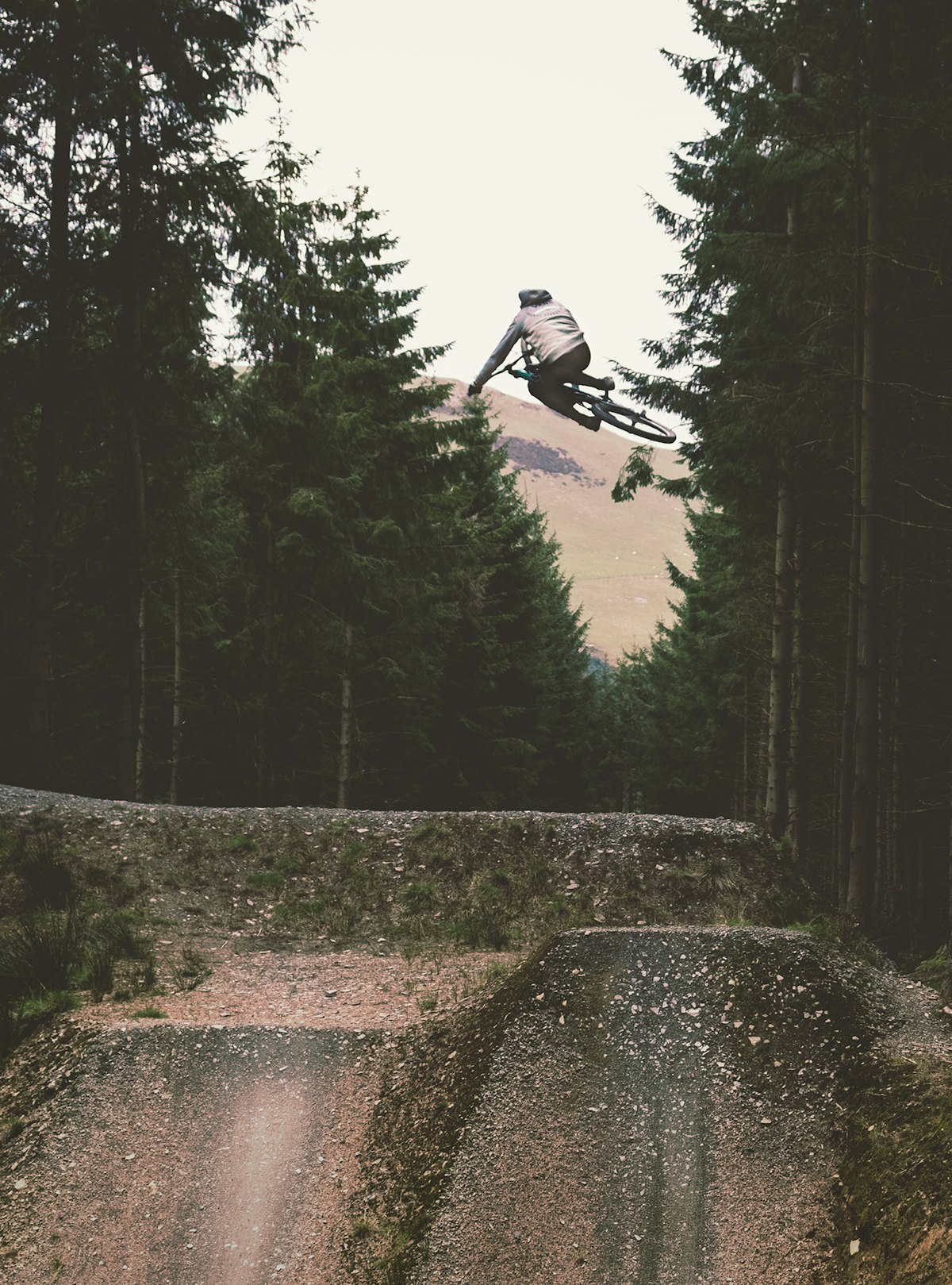
A true bunny hop differs from simply jumping your bike. In a bunny hop, the rider lifts the front wheel first, then scoops the rear wheel up to follow. This creates a controlled, fluid motion that carries both wheels over obstacles while the rider remains in command of the bicycle.
That’s what makes the bunny hop endearing to us mountain bikers—it’s the gateway skill to riding technical terrain confidently. Roots, rocks, logs, and even small drops become manageable when you can hop over them cleanly. The skill also serves as a foundation for more advanced techniques like manual hops and gap jumps.
Prerequisites for Learning
Before attempting bunny hops, you should be comfortable with basic bike handling. Spend time riding in a balanced, neutral position with your weight centered over the bike. Practice standing on the pedals with slightly bent knees and elbows, ready to absorb impacts or make quick adjustments.
Make sure you can perform a solid manual, which is riding on the rear wheel only. This skill teaches the hip movement and weight shift essential for initiating the bunny hop. Even a brief manual of a few feet demonstrates sufficient control to progress to hopping. I skipped this step and regretted it.
Check that your bike is in good condition with properly inflated tires and functional brakes. Flat pedals with good grip are recommended for learning since they allow you to bail easily if something goes wrong. Once comfortable, you can transition to clipless pedals if preferred.
Breaking Down the Technique
The bunny hop consists of three distinct phases that flow together smoothly. First, you compress and explode upward while pulling the handlebars to lift the front wheel. Second, you scoop your feet to bring the rear wheel off the ground. Third, you level the bike in the air and prepare for landing. Understanding each phase separately helps you build the complete movement.
Front Wheel Lift
Begin from a neutral riding position with your weight centered and pedals level. Compress your body by bending your knees and pushing down through the handlebars, preloading your weight into the bike. Think of this as coiling a spring.
Explode upward by straightening your legs while simultaneously pulling back on the handlebars. Your hips should move backward and upward as if you are trying to sit on a tall stool behind you. The front wheel will rise as your weight shifts rearward.
The key is using your body weight rather than just arm strength. Push against the pedals to generate upward momentum and guide the bars rather than yanking them. A smooth, powerful motion produces better height than frantic pulling. This took me weeks to understand.
Rear Wheel Follow-Through
Once the front wheel reaches peak height, immediately transition to lifting the rear. This is where many riders struggle—I certainly did—because it requires an unintuitive motion. As your front end rises, point your toes downward and scoop your feet backward and upward, as if scraping mud off your shoes.
Push the handlebars forward while scooping with your feet. This combination levels the bike in the air and brings the rear wheel up to match the front. Your knees should come up toward your chest as the bike follows.
Timing is critical. Start the scoop before the front wheel begins descending, or the bike will never level out. With practice, the front lift and rear scoop will blend into one continuous motion rather than two separate actions.
Mistakes I Made So You Don’t Have To
The most frequent error—and I made this for months—is pulling up equally with arms and legs simultaneously. This produces a small jump rather than a true bunny hop and severely limits your height potential. Focus on the sequential motion: front wheel first, rear wheel second.
Another mistake is leaning too far back during the front wheel lift. While some rearward weight shift is necessary, excessive lean makes it nearly impossible to transition into the rear wheel scoop. Stay balanced enough that you can push the bars forward and level out.
Failing to commit is also common among beginners. Half-hearted attempts rarely succeed because the technique requires explosive power. Practice on flat ground until you can commit fully to each attempt without hesitation. I spent too long making timid attempts that never could have worked.
Some riders neglect the compression phase, trying to hop from a standing position. The preload is essential for generating lift. Think of it like jumping off the ground: you would not try to jump without first bending your knees.
Practice Progressions
Start by practicing on flat pavement or grass without any obstacles. Focus on timing and form rather than height. Aim for smooth, controlled hops where both wheels leave the ground briefly and land simultaneously.
Once comfortable, place a stick or piece of tape on the ground as a visual target. Practice hopping over this low obstacle until you can clear it consistently. Gradually increase the target size as your confidence grows.
Progress to small objects like a wooden board or piece of foam. These should be forgiving if you clip them with your wheel. Work on timing your hop so you clear the obstacle with room to spare on both ends.
Move to riding bunny hops where you approach the target at speed rather than starting from stationary. This adds timing complexity but more closely mimics real trail conditions. Eventually, practice on actual trail features like roots and small rocks.
Dedicate regular practice sessions specifically to bunny hops. Even ten minutes before each ride spent drilling the technique will accelerate your progress. Muscle memory develops through repetition, so consistent practice matters more than marathon sessions. I wish I’d practiced this methodically instead of just attempting it randomly on trails.
With patience and focused effort, the bunny hop becomes second nature. Once mastered, you will find yourself floating over obstacles that once forced you to slow down or dismount, opening up new possibilities on every trail you ride.