Natural water sources keep your bottles full between towns. Knowing what’s safe—and how to make it safe—transforms route possibilities.
Finding Water
Topographic maps show streams and springs. But maps don’t show seasonal flows. That blue line might be bone dry in August. Call ranger stations for current conditions before assuming water availability.
Look for green. In arid terrain, vegetation clusters around water. Cottonwood trees, willows, and thick grass indicate underground or surface water nearby.
Animal trails lead to water. Follow game paths downhill during early morning or evening when animals drink.
Campgrounds and trailheads often have pumps or spigots. These don’t require treatment. Check if they’re operational before counting on them.
Treatment Methods
Sawyer Squeeze/Mini: The bikepacker standard. Inline filter attaches to water bottles or bladders. Removes bacteria and protozoa. Weighs 2-3oz. Lasts thousands of liters.
SteriPen: UV light kills everything biological. Faster than filtering but requires batteries and clear water. Doesn’t work in silty sources.
Chemical treatment: Aquamira or iodine tablets as backup. Light, reliable, slow (30+ minute wait). Leaves taste some find objectionable.
Boiling: The universal method. Works everywhere, requires stove and fuel. Rolling boil for 1 minute kills everything.
What Filters Don’t Catch
Standard filters remove bacteria and protozoa but NOT viruses. In the US and Canada, viral contamination is rare in backcountry water. International travel may require UV treatment or chemical purification for virus protection.
Filters also don’t remove chemical contamination. Water downstream from mines, industrial sites, or heavily agricultural areas needs different treatment—or avoidance.
Best Practices
Collect from moving water. Flowing streams are safer than stagnant pools. The faster the flow, generally the better.
Go upstream. Collect water above human and animal activity when possible. Above the trail crossing, not below.
Pre-filter murky water. A bandana or coffee filter removes sediment that clogs your main filter. Extends filter life significantly.
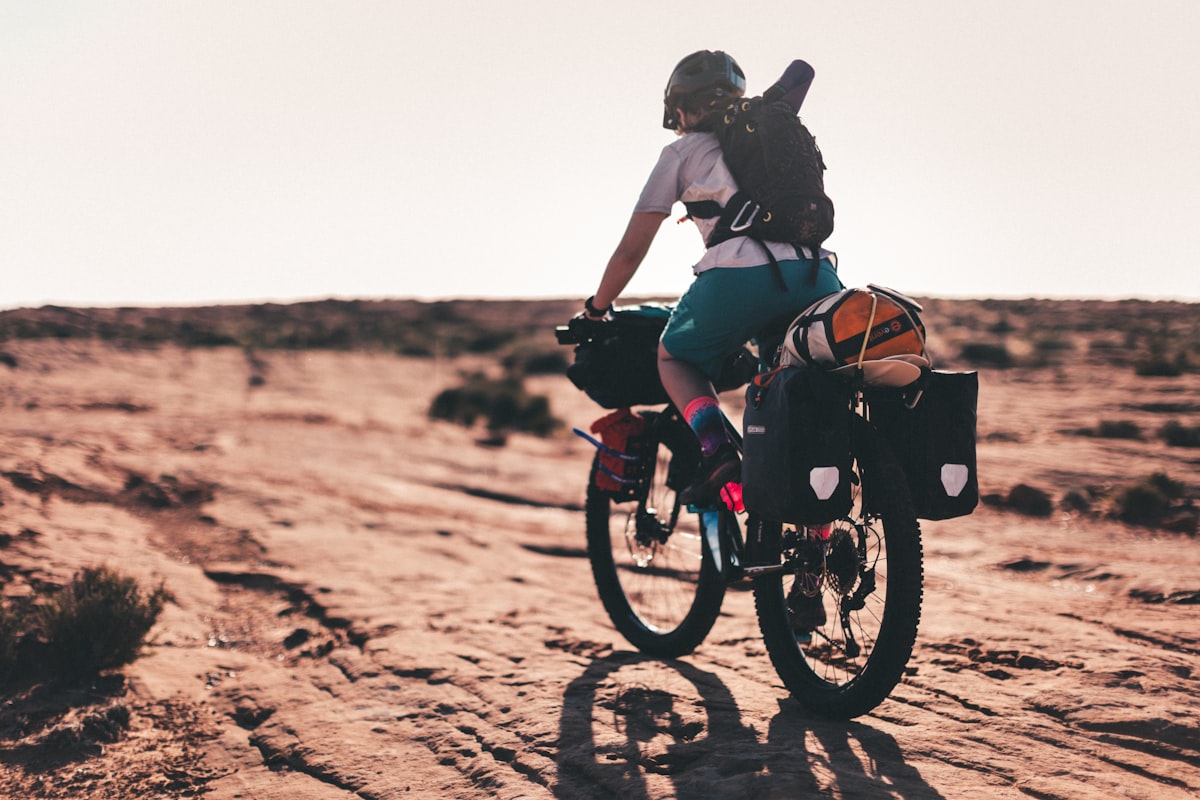
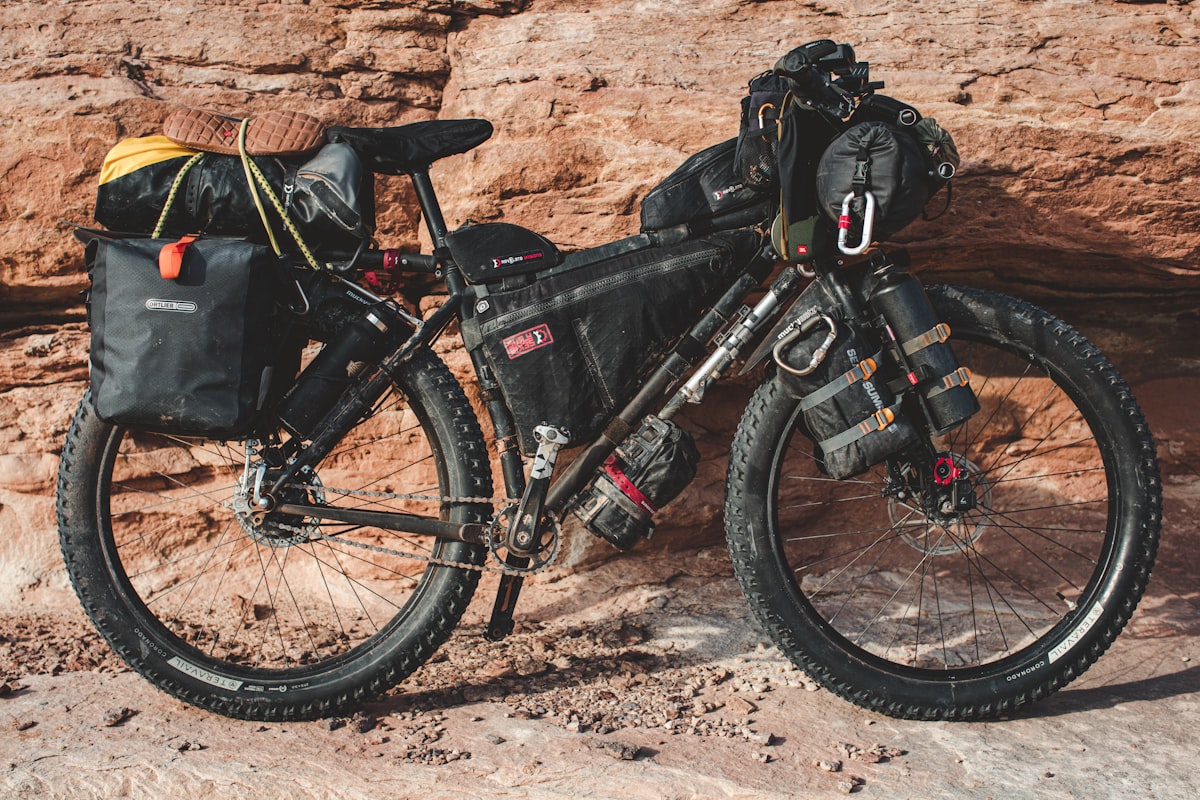
Carry capacity for dry stretches. In desert terrain, 3-6 liters may be necessary. Know your daily consumption and plan accordingly.
When to Be Paranoid
Water near civilization—especially downstream from towns, farms, or roads—carries more risk than backcountry sources. Ironically, the most remote water is often the safest. Springs emerging from rock are typically pristine.
Giardia takes 1-2 weeks to produce symptoms. That stomachache on day 10 might trace to untreated water from day 1. When in doubt, treat it.